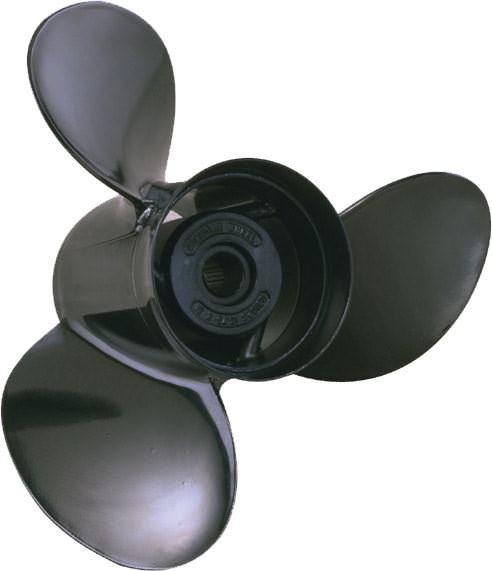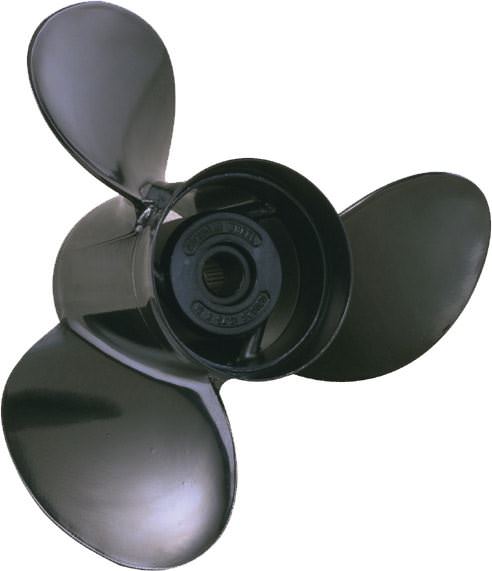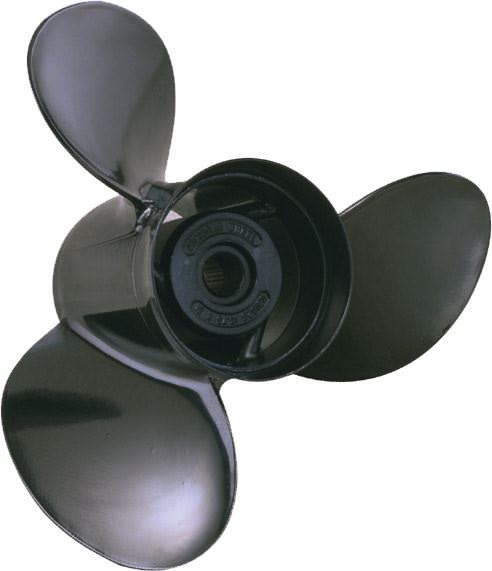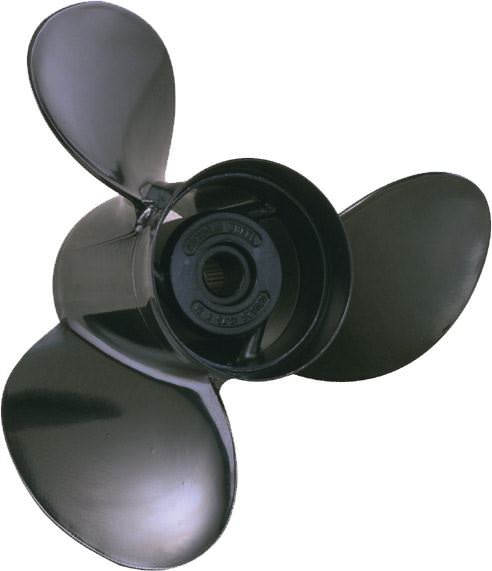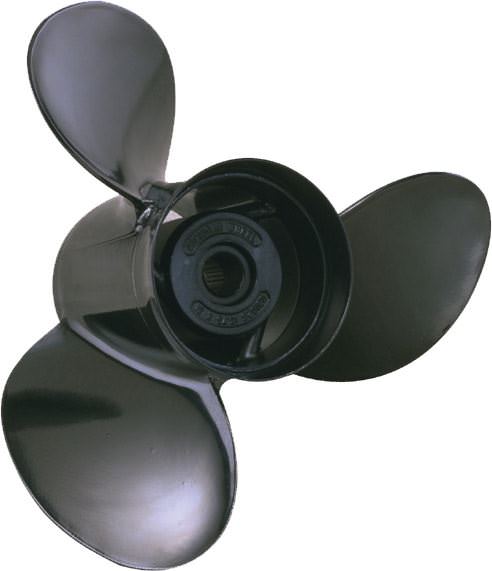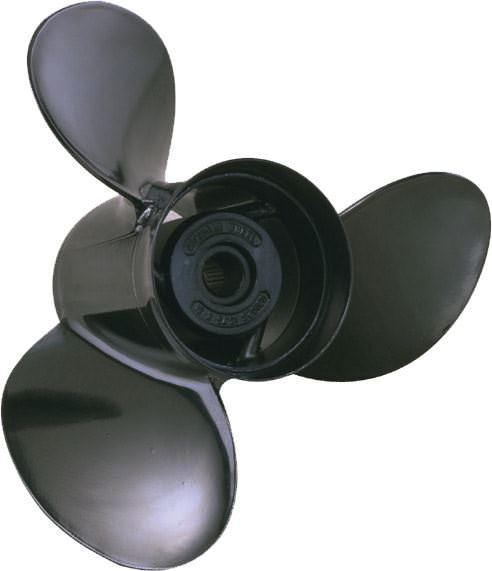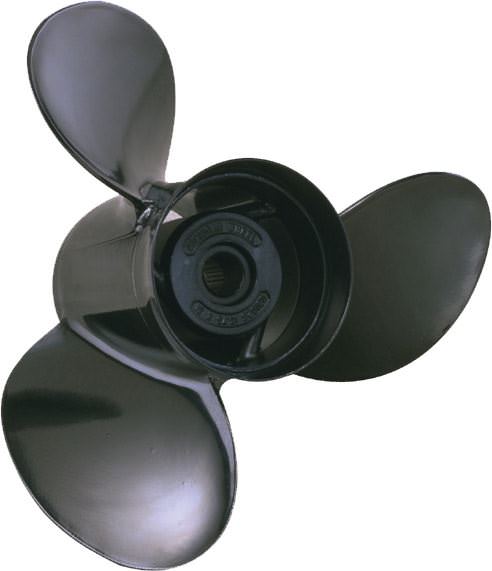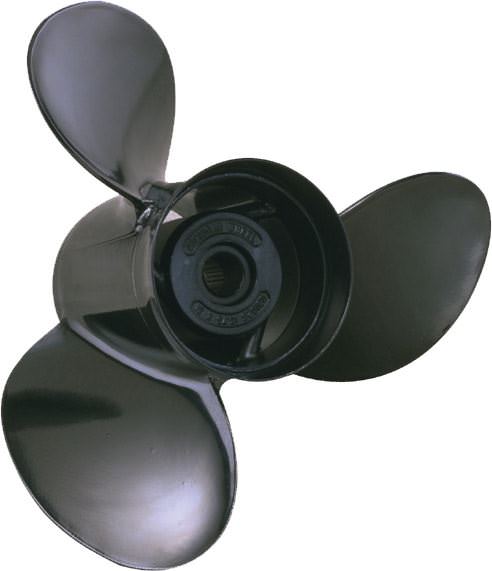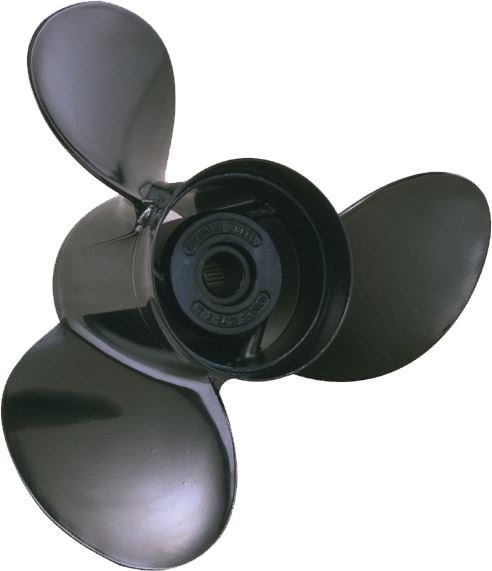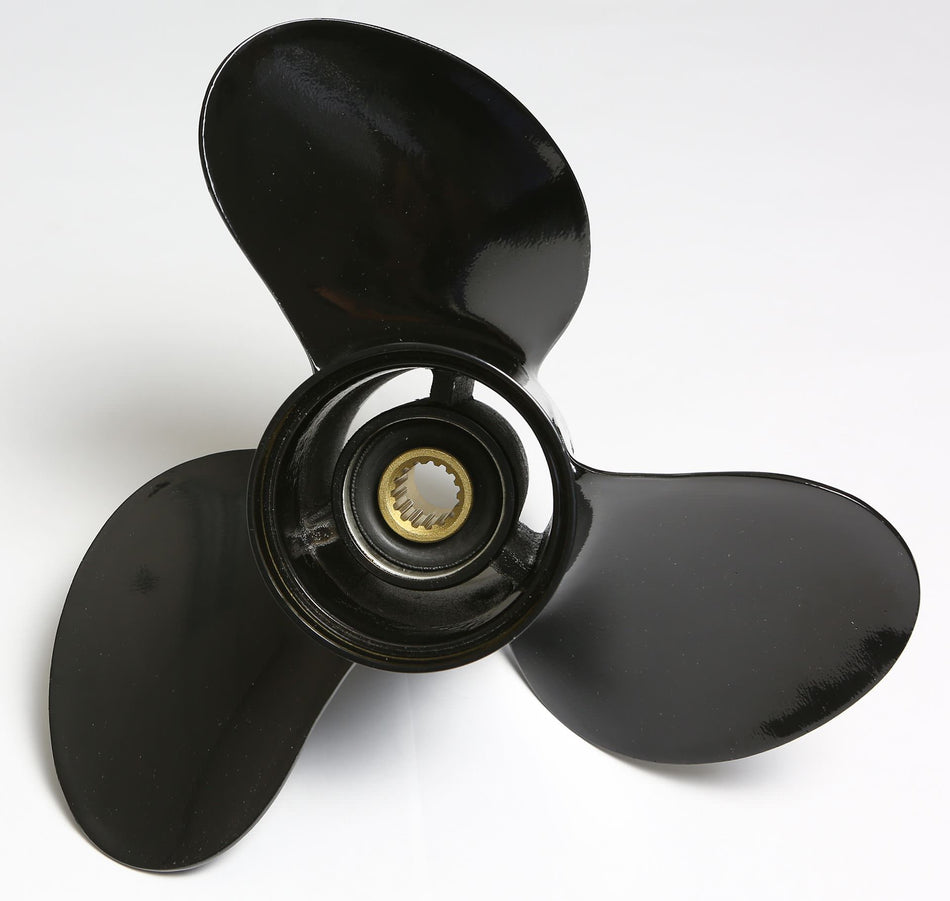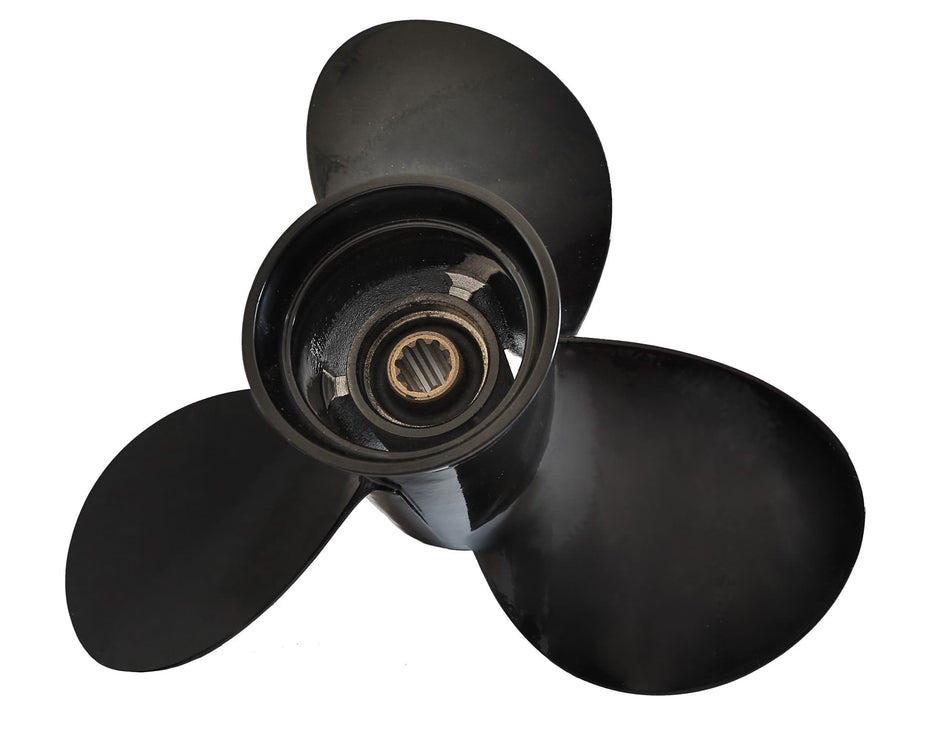
Suzuki propeller, Suzuki prop, Suzuki propellers, Suzuki props, Suzuki outboard props, Suzuki outboard propellers, propellers for Suzuki outboards, Suzuki outboard prop, prop for Suzuki outboard, Suzuki outboard propeller, propeller for Suzuki outboard, props for Suzuki outboards, Suzuki stainless prop, Suzuki stainless props, Suzuki stainless propellers, Suzuki prop selection, Suzuki boat propellers, Suzuki boat propeller, Suzuki boat props, Suzuki stainless propeller, Suzuki outboard propeller selection

x
3-Blade vs. 4-Blade Suzuki Propellers.    
3-Blades
3-blade Suzuki props are great on most boats as they offer good all around performance, better efficiency, and can achieve higher speeds. Switching from 4 to 3-blades generally requires a 1" pitch increase.
3-Blade vs. 4-Blade
4-Blades
4-blade Suzuki props work well with bass, pontoon & high performance boats as they provide better acceleration, keep a boat on plane with fewer RPM's, and produce less vibration at high speeds. Switching from 3 to 4-blades generally requires a 1" pitch decrease.

Close Window
x
Aluminum vs. Stainless Steel Suzuki Propellers.    
Aluminum
Aluminum Suzuki props are a great choice for small and medium sized boats. They are inexpensive and under normal conditions can last for many years. When running your boat in an area where striking the bottom is likely, aluminum blades can flex, helping prevent damage to your engine.
Aluminum vs. Stainless Steel
Stainless Steel
Stainless steel Suzuki props are ideal for large or heavy boats and boats running in saltwater. Although more expensive than aluminum, stainless steel Suzuki props are more durable and will last longer. When running your boat at speeds over 50 mph, stainless Suzuki props will perform better than aluminum.

Close Window
x
Differences in Propeller Diameter.    
Diameter is the width of the circle that the Suzuki prop would make when rotating.

Prop diameter does not affect the fit of the prop on a boat.

The diameter of your Suzuki prop can vary by up to 1/2" with no discernable change in performance.

Caution: Before increasing the diameter of your Suzuki prop, make sure there will be enough clearance between the blades and cavitation plate or anode on your engine.
Propeller Diameter

Close Window

Pitch: Diameter: Differences in Diameter
Material: Stainless vs. Aluminum Blades: 3-Blade vs. 4-Blade
Your Engine:
Reset Above Filters
The below propeller brands will fit on your selected Suzuki engine. However, to ensure proper loading of your engine, please choose the propeller size that most correctly matches your existing propeller. Please use the engine filter above to narrow your Suzuki propeller options to your specific engine. Please CLICK on the below brands to see the list of products associated to that brand.
For Suzuki outboard engine owners around the globe, Deep Blue Yacht Supply is your trusted source for all size Suzuki boat propellers. We are committed to providing the best Suzuki props, at the lowest prices, with superior customer service.

Deep Blue Yacht Supply has the largest inventory of Stainless Suzuki & Aluminum Suzuki boat props; you will be sure to find the best prop for your Suzuki outboard.

Deep Blue only sells new Suzuki boat props, which price-wise are very comparable to used props; don’t settle for used boat propellers, when you can buy new Suzuki boat props for around the same amount.

Need help finding the perfect boat propeller for your Suzuki outboard? Use our state of the art Propeller Guide to find the perfect propeller for your Suzuki Outboard. Trust Deep Blue Yacht Supply to help equip your Suzuki Outboard with the best possible boat props. Deep Blue Yacht Supply is able to provide the ultimate sales and service experience, when it comes to selecting the best propellers for your Suzuki Outboard.

Suzuki Boat Propellers offer an Aftermarket Solution

Boating enthusiasts with a Suzuki outboard motor will find that they have a large range of choices when it comes time to look for a replacement propeller.  Like many outboard motors, those produced by Suzuki can greatly benefit from an aftermarket propeller because these will allow boaters to customize their propulsion system to fit their exact needs.  This fact means that Suzuki boat propellers are useful even when the boat’s original propeller does not yet need to be replaced due to damage or ordinary wear and tear.  A boater may want to look at Suzuki boat props in order to capture a higher level of performance for their watercraft.

Suzuki boat propellers are available from major manufacturers such as Michigan Match, which produces propellers for Suzuki engines in both stainless steel, a durable and heavyweight material, and aluminum, which offers the advantages of less weight and more affordability.  In addition, both right-hand and left-hand rotations are available.  Whatever your boating needs, there is a Suzuki boat prop that can meet it.

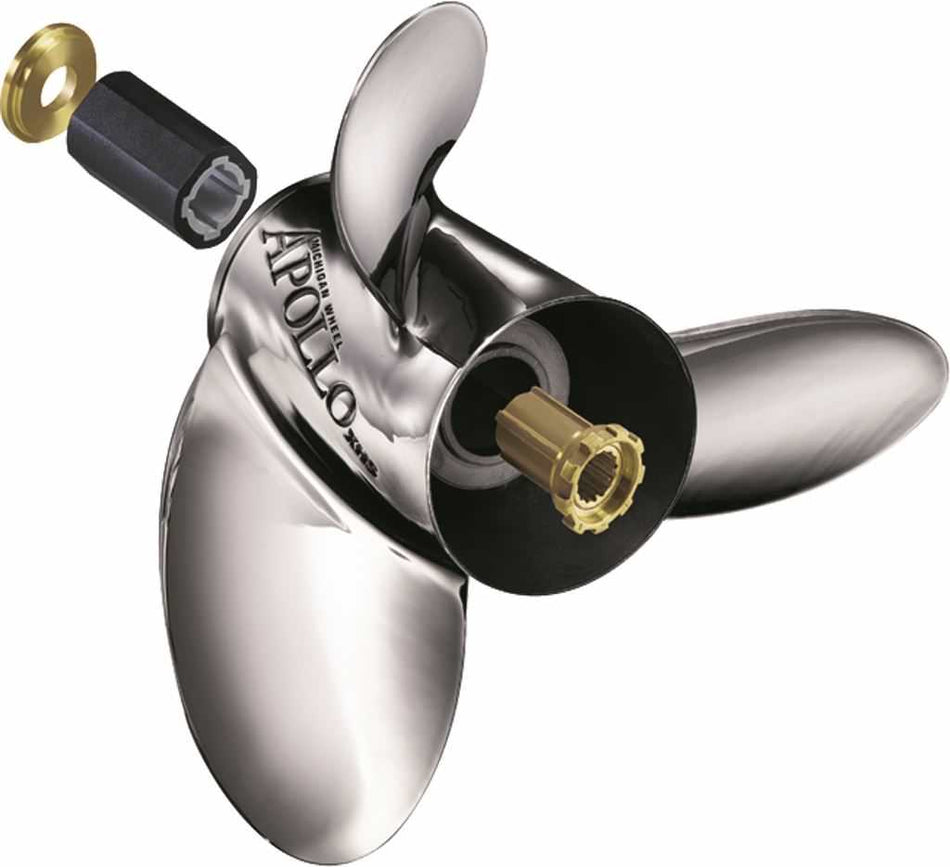
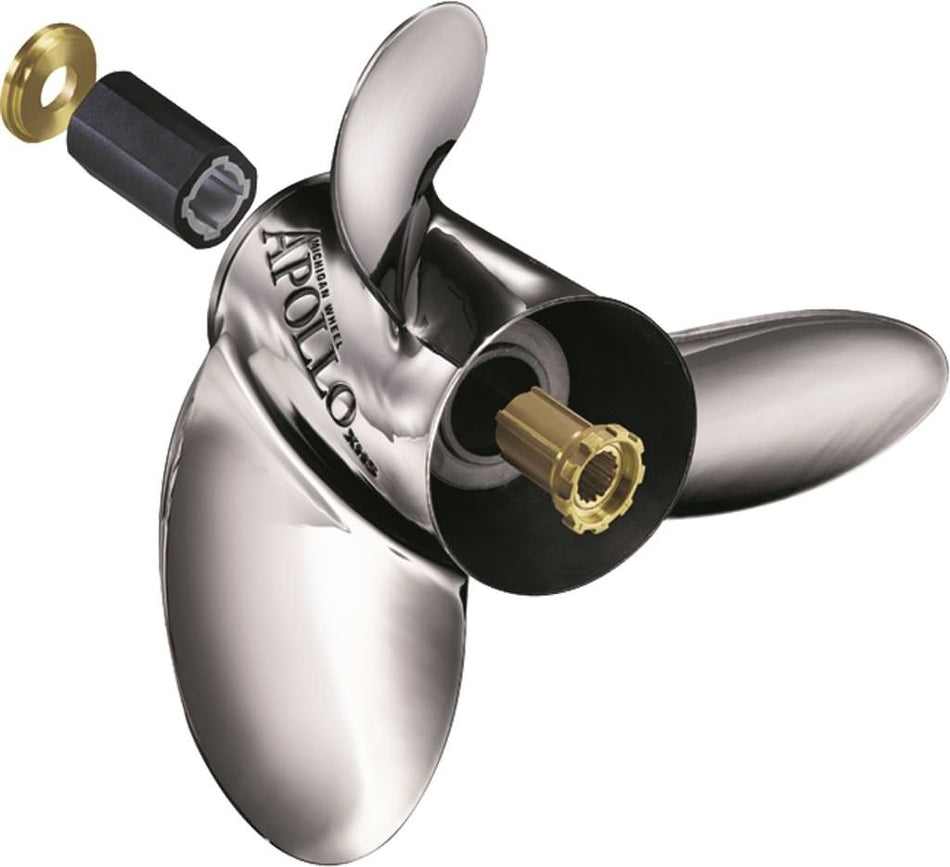
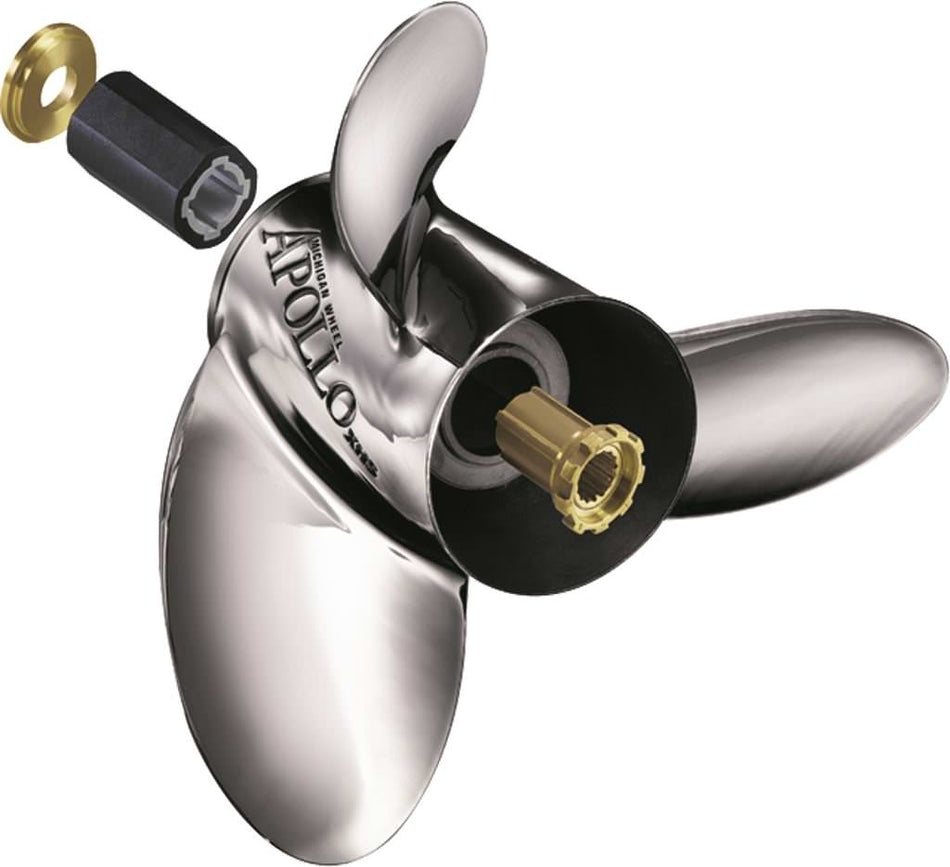
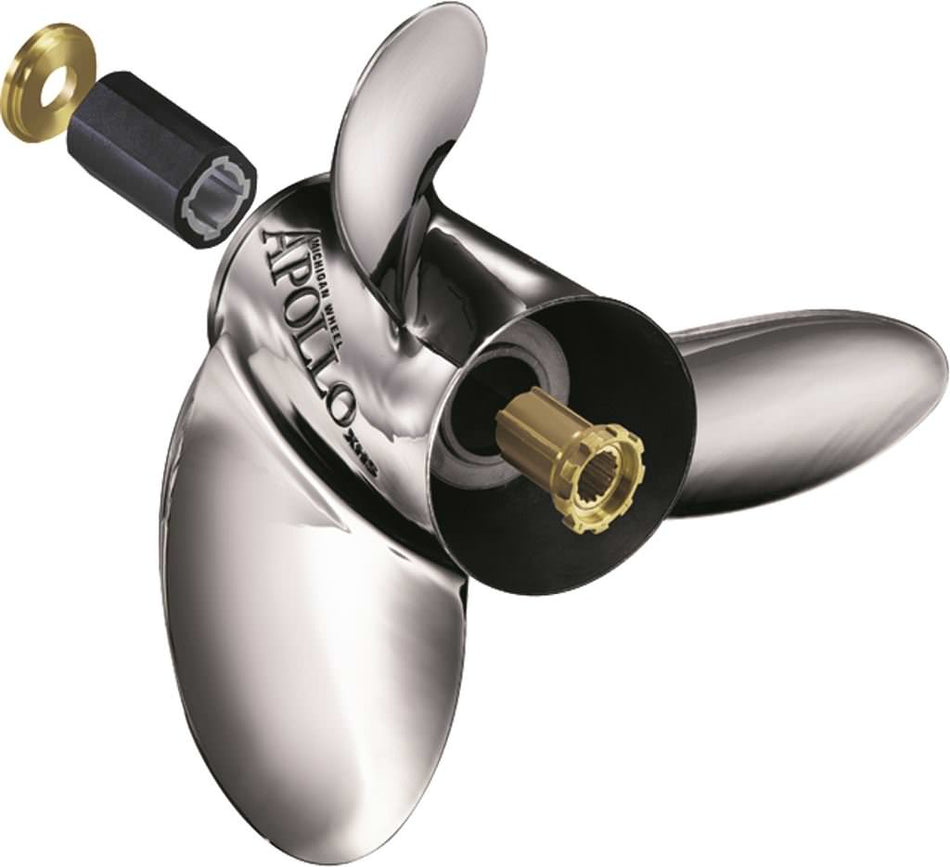
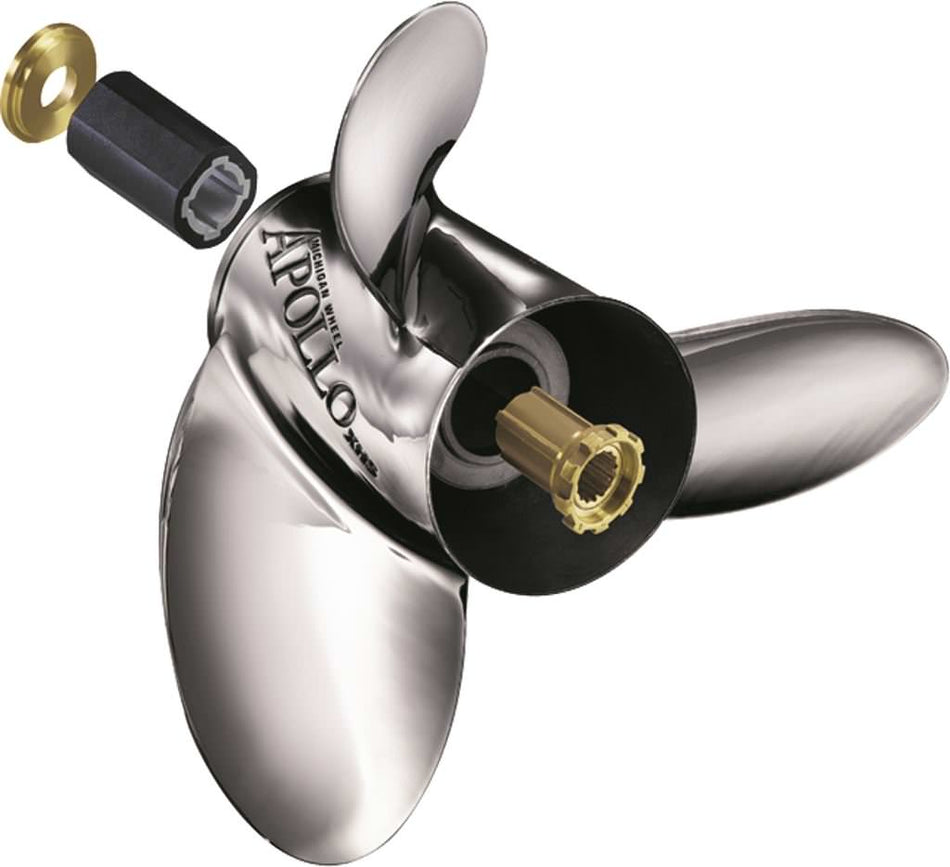
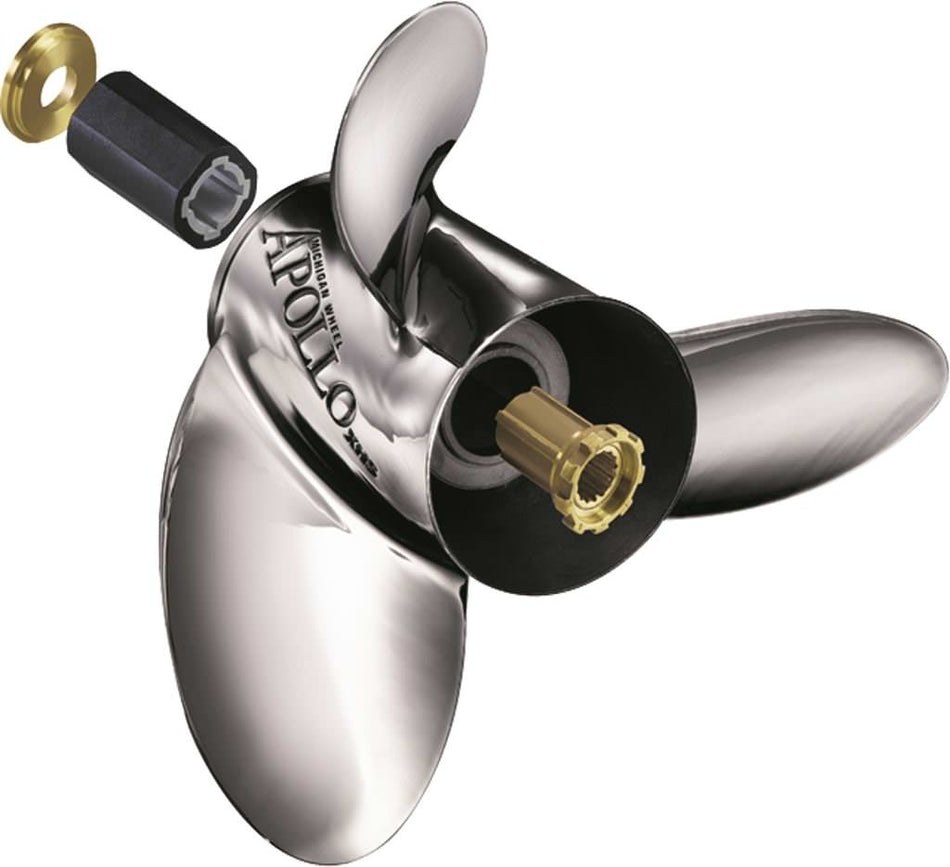
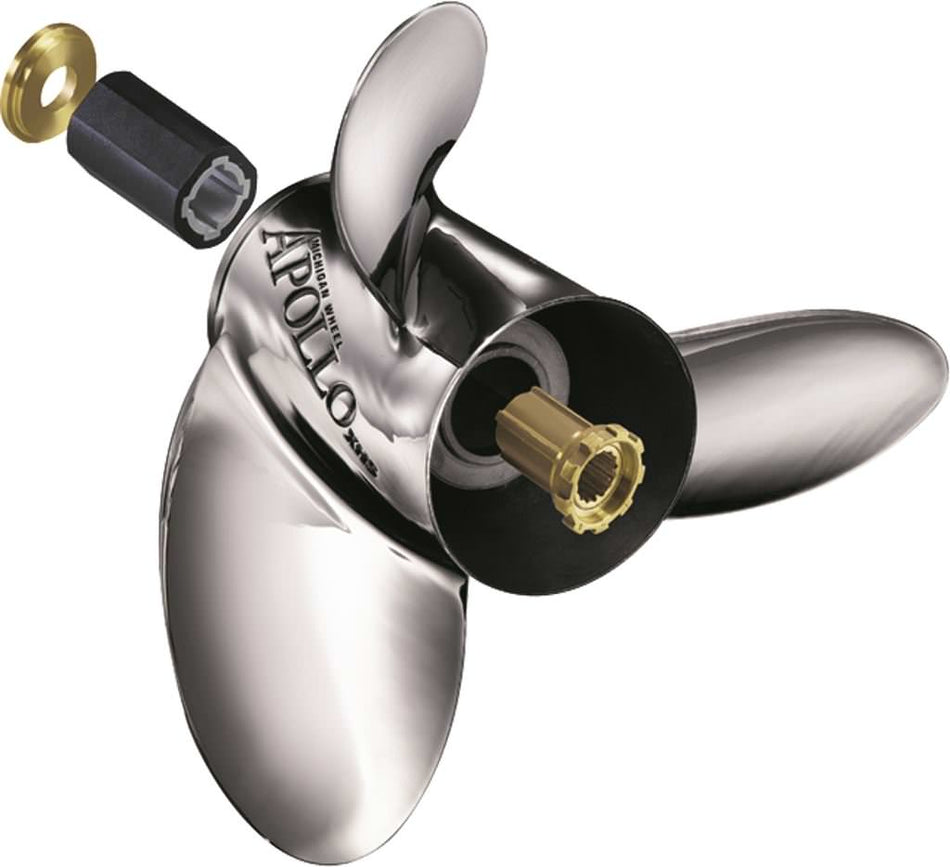
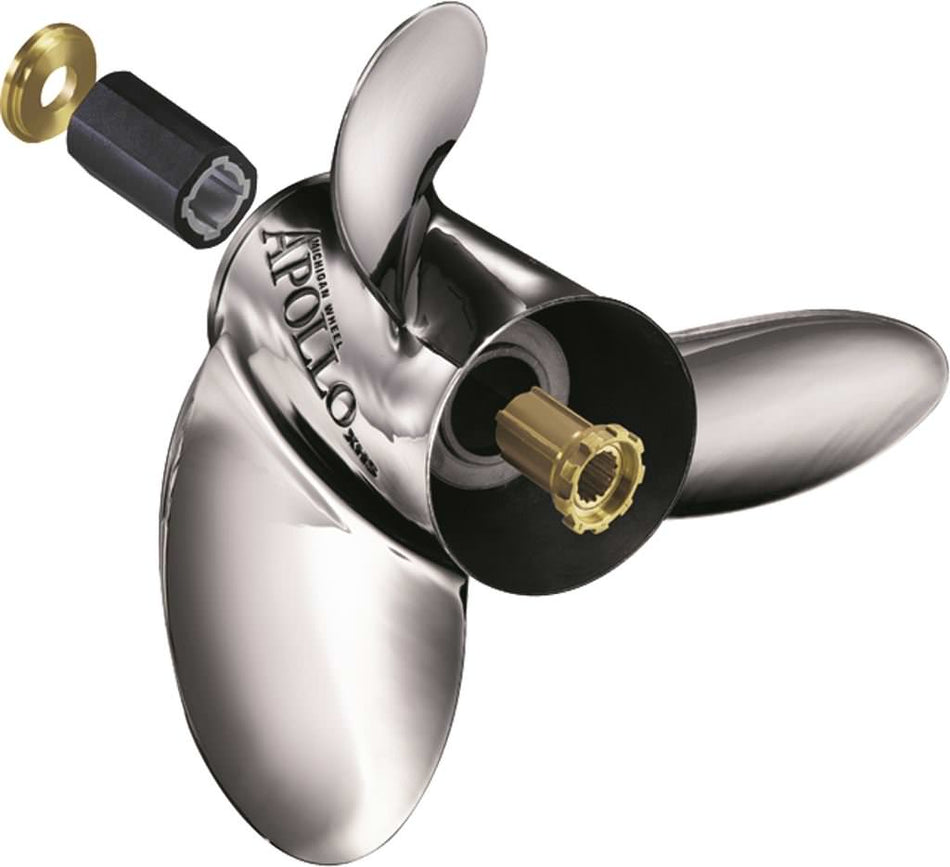
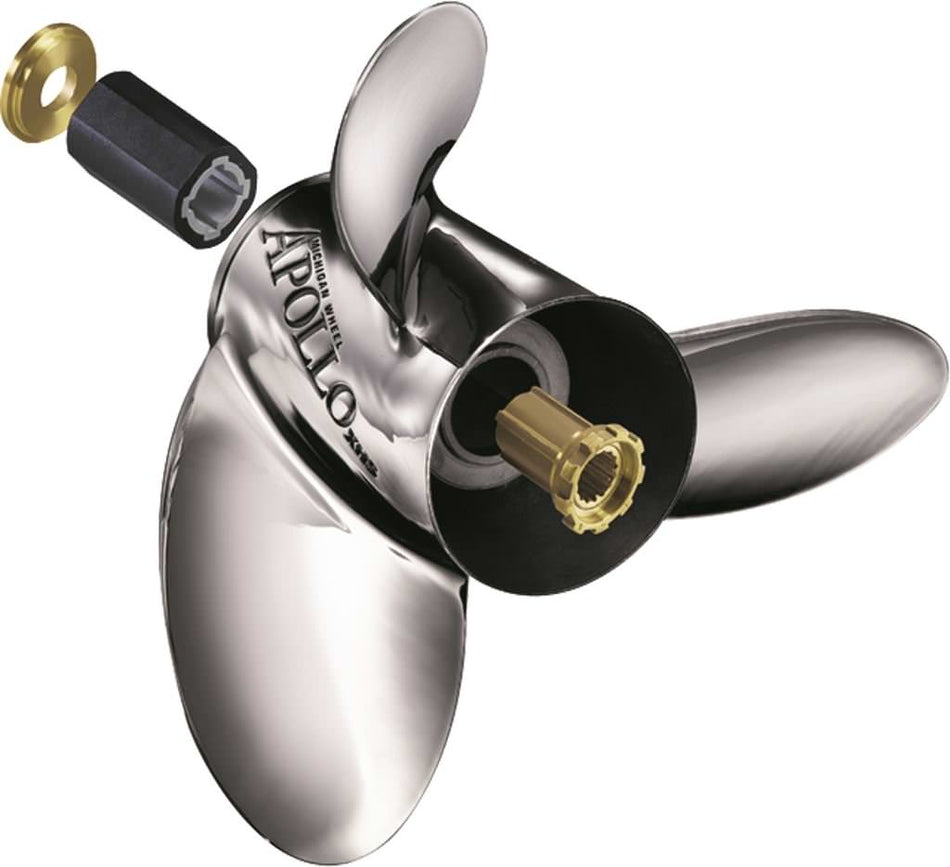
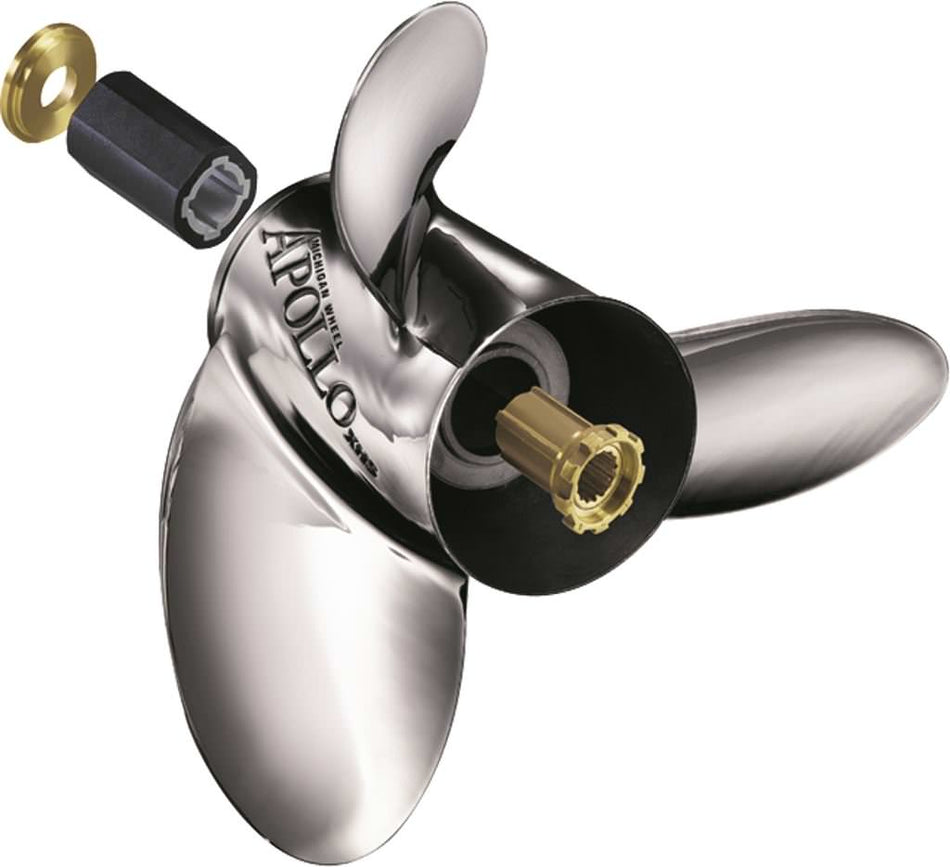
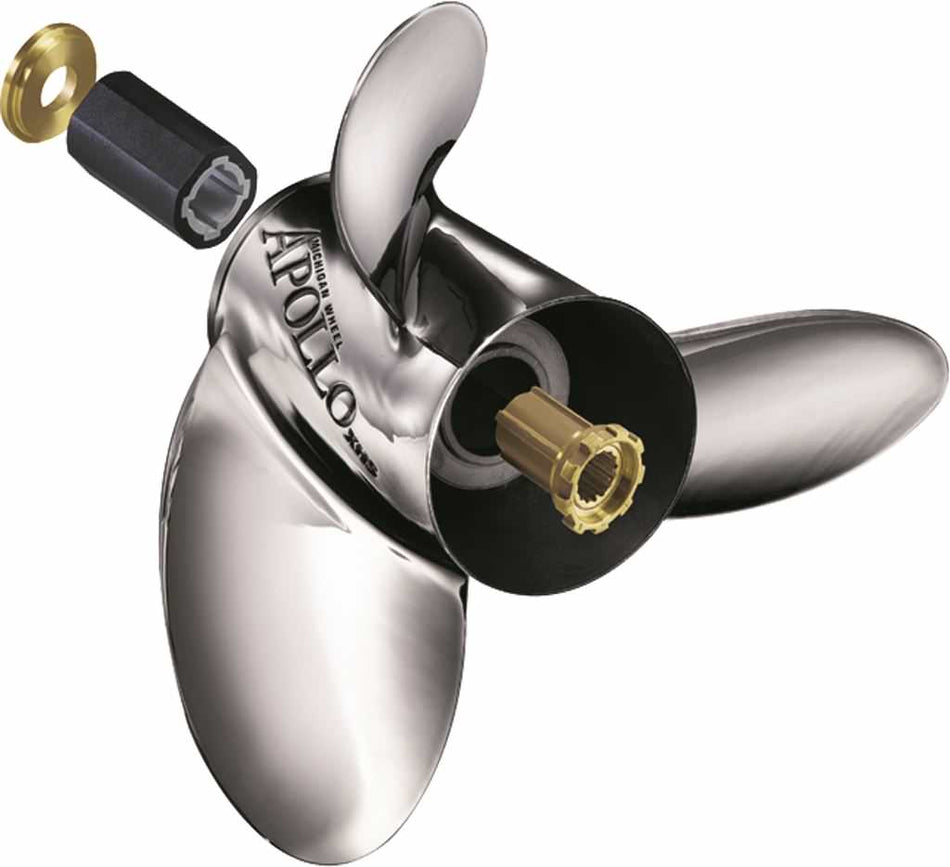
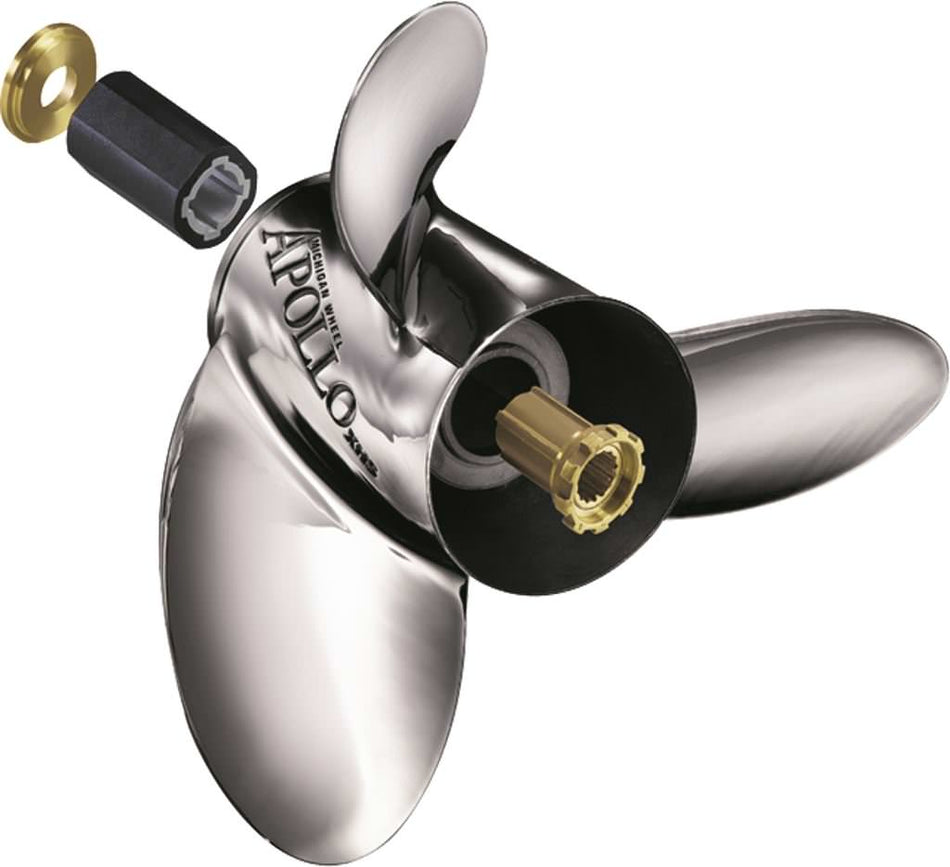
Each Suzuki boat prop can work well with a large number of different engines.  The Apollo 993046 propeller, for example, works with a range of engines that date from the mid-1980s through the present.  Some of the engines that work with this propeller are the DT 150, DF 150, DT 200, DF 200, and the DF 300.  Other Suzuki propellers will also work with these engines.  This gives consumers choices so that they can select the diameter and pitch that are ideal in their situation.

The Number One Rule for Propeller Selection

Selecting the correct propeller for your boat is an important issue, but expert boaters know that above every other consideration, they should keep one thing in mind: a propeller is a potential match if it enables an engine to run at full throttle while remaining in the maximum rated range for revolutions per minute, or RPM.

Those considering Suzuki outboard propellers will need to know three pieces of information in order to apply this rule.  The first data point is the maximum RPM the system can currently achieve; this figure can be found by looking at the tachometer as the engine is run.  The second necessary data point is the maximum range of RPM that the motor can withstand.  Consult the owner’s manual for this information.  Lastly, before deciding which of the available Suzuki outboard props is right, it is important to know the model and size of the boat’s current propeller.

Some boaters feel that running at full throttle is not a point that matters since their engines are never exposed to this degree of stress.  This perspective ignores the way engine manufacturers construct their equipment: They design their engines for optimal longevity and efficiency at the maximum RPM.  Boat owners will need to choose from Suzuki outboard propellers that let the engine run at full throttle while in the maximum RPM range because otherwise, the choice of propeller could end up causing damage to the engine.

The Anatomy of a Boat Propeller

Most non-boaters and perhaps even some beginning boating enthusiasts think of a propeller as simply three or four blades securely attached to a central shaft, but in reality, Suzuki Boat Propellers are highly engineered pieces of equipment that are much more complex than such a cursory analysis would suggest.

Parts of a Blade on Suzuki Props

The blades themselves actually have distinct regions that help the blade perform its overall function of helping to draw water into the propeller system so that it can be ejected in a high-velocity stream of water that will create thrust for the boat.  The leading edge of the blade is the part located closest to the boat.  This part is the first portion to enter the water and cut through it.  The opposite portion of the blade is known as the trailing edge, located farthest away from the watercraft. This edge pushes water away from the boat.

The area on Suzuki propellers that divides the trailing edge from the leading edge is known as the blade tip.  The blade tip can also be described as the blade’s maximum “reach,” extending outward from the hub, which is the term for the center of the propeller.  The blade root is the place where each blade is affixed to this central hub.

Since propeller blades are curved, they have a “front” and “back” side.  The front is also known as the blade face and is the side of the blade facing away from the watercraft.  The other side, which faces the boat itself, is called the blade back.

Image
Fast Shipping, Lowest Prices, No Sales Tax


Site Map
  Processing...