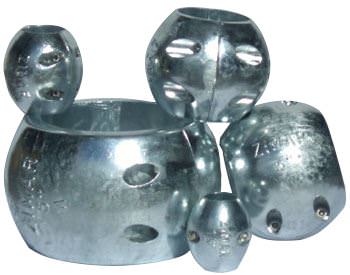
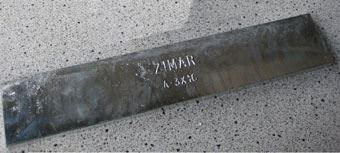
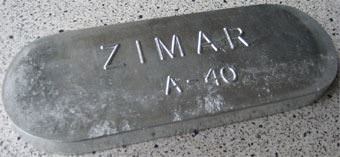
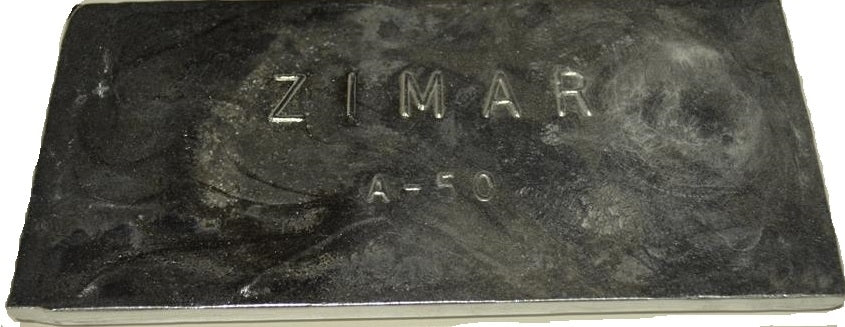
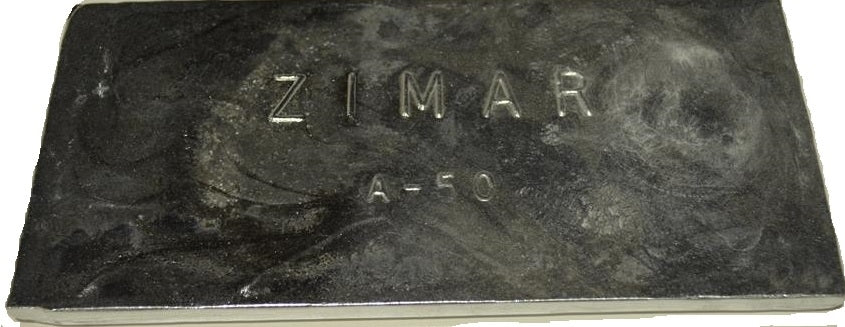
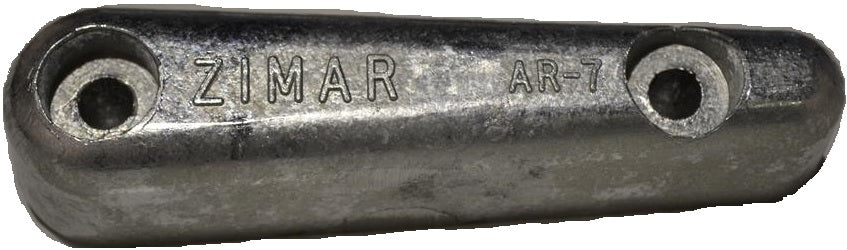
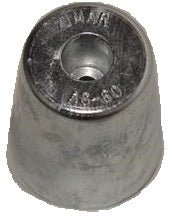
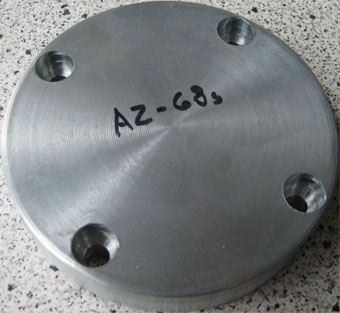
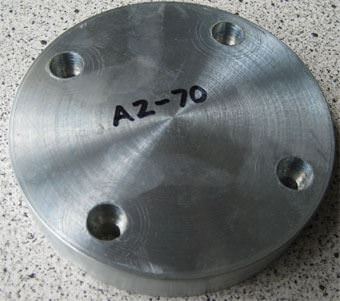
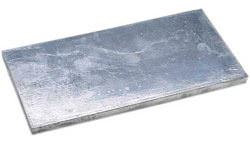
Zimar shaft zinc anodes meet the standards set forth by Mil-Spec A-18001K, Mil-Spec A-18001A, and Mil-Spec A-18001.
All Zimar shaft zinc anodes include copper contacts for permanent ground and stainless screws with washer retainers.
Zimar Shaft Zincs weigh more than the competition, and peform their cathodic protection job better. There is a reason that most discerning boat owners choose Zimar shaft zincs to protect their investment.
|
Zimar Zincs Shaft Zinc Anodes Inch Sizes
|
|
Prices Starting At: $6.94
|
|
|
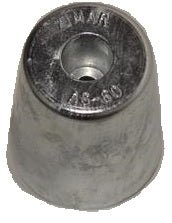
Zimar shaft zincs meet the standards set forth by Mil-Spec A-18001K, Mil-Spec A-18001A, and Mil-Spec A-18001.
All Zimar metric shaft zinc anodes include copper contacts for permanent ground and stainless screws with washer retainers.
Zimar metric shaft zincs weigh more than the competition, and peform their cathodic protection job better.
|
Zimar Zincs Shaft Zinc Anodes Metric Sizes
|
|
Prices Starting At: $8.12
|
|
|
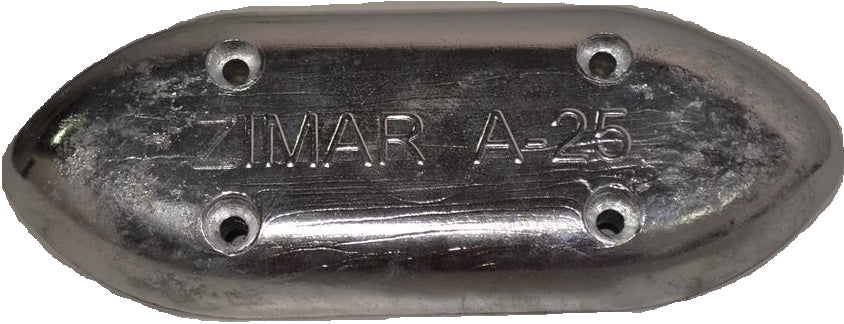
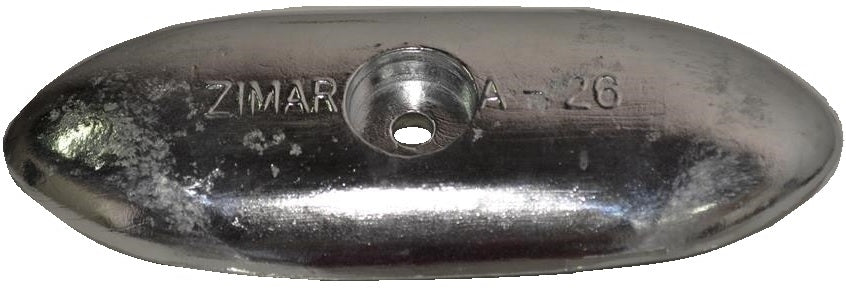
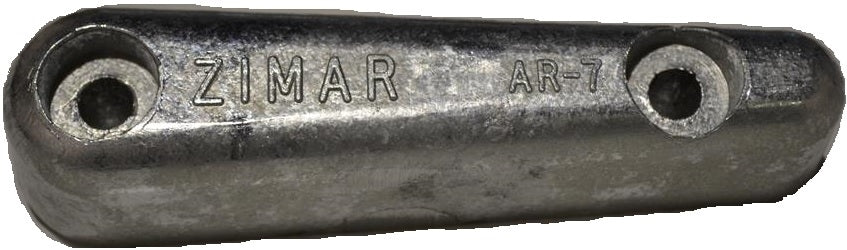
Zimar rudder zincs meet the standards set forth by Mil-Spec A-18001K, Mil-Spec A-18001A, and Mil-Spec A-18001.
All Zimar rudder zinc anodes include copper contacts for permanent ground and a stainless screw.
Zimar Rudder Zincs weigh more than the competition, and peform their cathodic protection job better. Most discerning boat owners choose Zimar rudder zincs to protect their vessel. Experience the Zimar Zincs advantage.
|
Zimar Zincs Rudder Zinc Anodes Single Bolt Clamp
|
|
Prices Starting At: $5.68
|
|
|
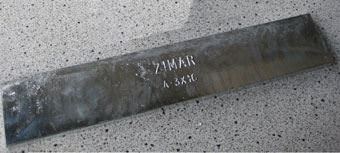
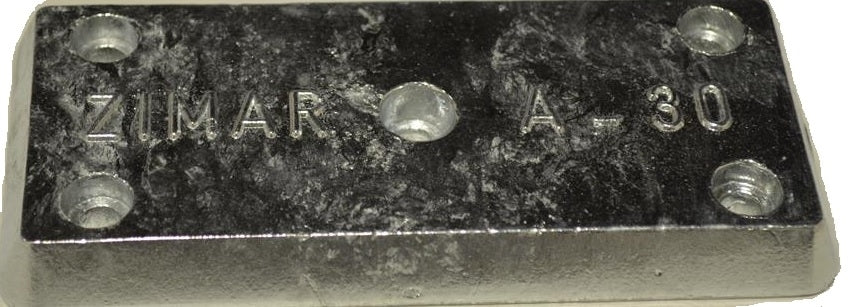
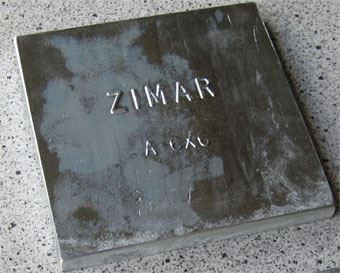
All Zimar plate zinc anodes are cut as per dimensions with specified bolt patterns. These Zimar plate zincs are pre-drilled for bolt-on attachment.
Zimar plate zincs meet the standards set forth by Mil-Spec A-18001K, Mil-Spec A-18001A, and Mil-Spec A-18001
Zimar Plate Zincs weigh more than the competition, and peform their cathodic protection job better.
|
Zimar Zincs Plate Zinc Anodes Bolt On(Predrilled)
|
|
Prices Starting At: $8.52
|
|
|
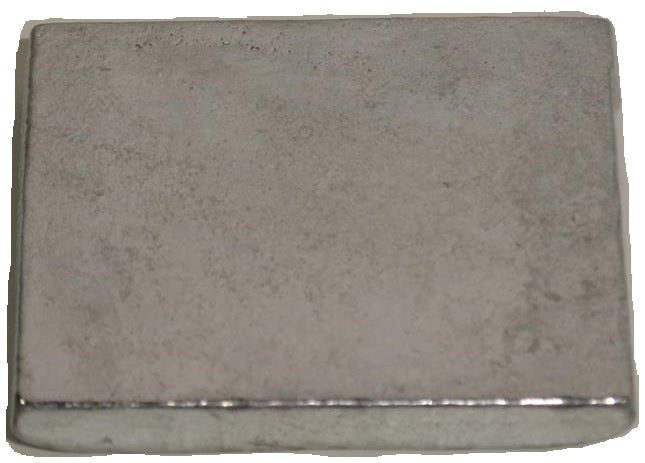
All Zimar plate zinc anodes are cut as per dimensions. Zincs are undrilled to allow for consumer to drill specific patterns for fastening.
Zimar plate zincs meet the standards set forth by Mil-Spec A-18001K, Mil-Spec A-18001A, and Mil-Spec A-18001.
Zimar Plate Zincs weigh more than the competition, and peform their cathodic protection job better.
|
Zimar Zincs Plate Zinc Anodes Bolt On(Undrilled)
|
|
Prices Starting At: $5.55
|
|
|
All Zimar plate zinc anodes are cut as per dimensions with galvanized steel mounting strips for easy welding or drilling.
Zimar plate zincs meet the standards set forth by Mil-Spec A-18001K, Mil-Spec A-18001A, and Mil-Spec A-18001.
Zimar Plate Zincs weigh more than the competition, and peform their cathodic protection job better.
|
Zimar Zincs Plate Zinc Anodes Weld On
|
|
Prices Starting At: $17.44
|
|
|
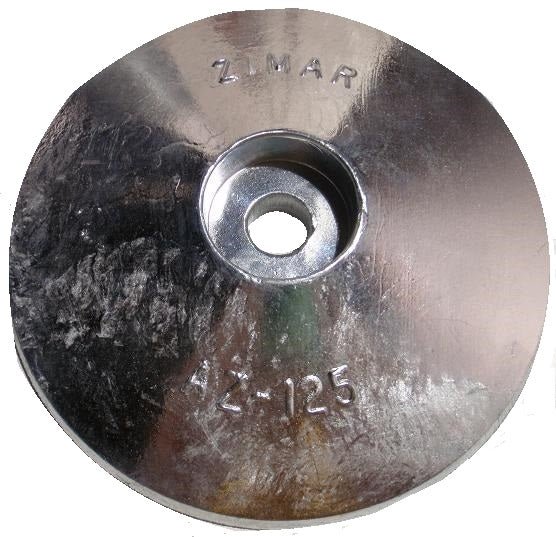
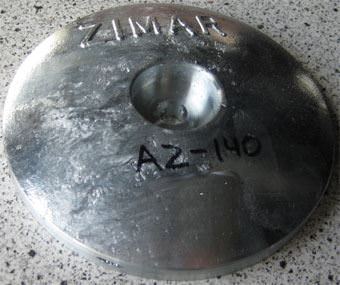
All round plate Zimar zinc anodes are cast with bolt hole predrilled on center for easy mounting on hull.
Zimar round plate zincs meet the standards set forth by Mil-Spec A-18001K, Mil-Spec A-18001A, and Mil-Spec A-18001.
Zimar Round Plate Zinc Anodes weigh more than the competition, and peform their cathodic protection job better.
|
Zimar Zincs Round Plate Zinc Anodes Bolt on
|
|
Prices Starting At: $9.71
|
|
|
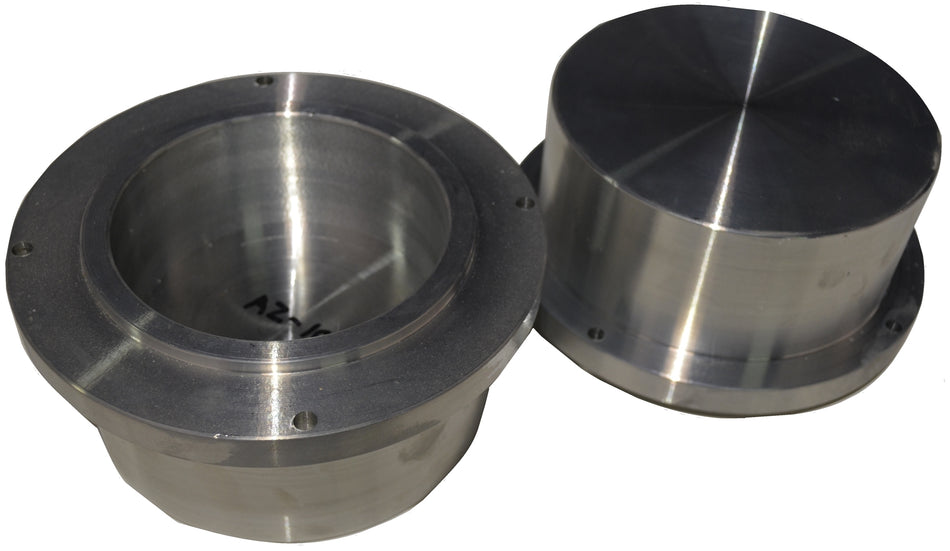
These Zimar nut zinc anodes are precision machined to fit over specific nut configurations and models.
Zimar zinc anodes are individually made to assure highest possible zinc concentration and lowest amount of porosity in the zinc market.
Zimar nut zincs meet the standards set forth by Mil-Spec A-18001K, Mil-Spec A-18001A, and Mil-Spec A-18001.
Zimar Nut Zinc Anodes weigh more than the co...
|
Zimar Zincs Nut Zinc Anodes Propellers and Bow Thrusters
|
|
Prices Starting At: $11.99
|
|
| |
For boat owners around the globe, Deep Blue Yacht Supply is your trusted source for the best zinc anodes in the marine industry. We are committed to providing the best zinc anodes, at the lowest prices, with superior customer service. Zimar Zinc Anodes set the standard when it comes to cathodic protection. Zimar Zinc Anodes meet all standards set forth by Mil-Spec A-18001K, Mil-Spec A-18001A, and Mil-Spec A-18001. Zimar Zincs are individually hand poured to assure the highest possible zinc concentration and lowest amount of porosity. Trust Deep Blue Yacht Supply to help equip your boat with the best possible zinc anodes. Deep Blue Yacht Supply is able to provide the ultimate sales and service experience, when it comes to selecting the best zinc anodes to protect your investment against corrosion. Deep Blue Yacht Supply has a huge inventory of the best Shaft Zincs, Plate Zincs, Rudder Zincs, Nut Zincs, etc. Seawater is inherently corrosive and this is even more pronounced in the case of components that are made of two different metals. Any time two metals are in contact in seawater they will form a battery and one of the two metals will give up its electrons to create the current that flows between the two metals. This process is known as galvanic corrosion and unless you want your boat to begin failing you it is important that we halt this process before it begins. This is done by using a third metal which will more readily give up electrons to create a current. In boating, zinc is most commonly used and the zinc pieces are called zinc anodes, or more commonly just zincs. Zinc anodes are used on boats anywhere two metals come in contact with each other and are thus subject to galvanic corrosion. This is most common with a stainless steel shaft and aluminum propeller, but there are many other places where two different metals come in contact on a boat. Without the protection of a zinc anode you risk corrosion seriously affecting your parts and components. Some people think that as long as zinc is present it will protect the other metals on their boats, however they soon learn to their chagrin that this is not true. You can not protect your metal components by simply hanging a piece of zinc over the side of the boat, the zinc anodes must be in contact with the metals they are protecting. This isn't a big deal though as boat and engine manufactures have designed parts to allow for the inclusion of zinc anodes, from the zinc collar that goes around your shaft to the zinc hull plates that are used to protect bronze through-hull fittings to the various zincs in an engine there is typically a protection wherever there are two metals with the possibility of galvanic corrosion occurring. Now that you know about the importance of zinc anodes it should also be stressed that these anodes do not last forever. Because they are sacrificing themselves to protect your more important metal parts they corrode themselves and are slowly worn down. As a rule of thumb the zinc anodes should be roughly 1% of the surface area they are protecting and should only need to be replaced annually. To be safe though you should inspect all your metal parts regularly for signs of corrosion and if any is present replace your zincs immediately. Typically zincs are replaced when they are only half consumed. Once they go beyond this they are significantly less effective and you risk damage to the parts you are trying to protect. The good news is that zinc anodes are not expensive, many cost just several dollars and even larger hull plates can be had for under $30 in many cases. When installing zinc anodes be sure that they are in contact with the metal being protected, do not paint the surface of the zinc and make sure that both the zinc and other metal surface are bare and bright before installing the anode. In the case of your engine you should refer to the owner’s manual to be sure you know the location of all the zincs, some can be difficult to locate if you aren't aware that they are there. It is good that there is a way to protect your metal parts, but the protection only lasts as long as you keep your zinc anodes bigger than half depleted. Make it a habit to check for corrosion regularly and replace those zincs when they are half depleted.
Zinc anodes provide the saltwater protection you need
Regardless of how familiar you are with the science behind the corrosion of metal, you probably know quite well the end results: rust and loss of material. Zinc anodes are used as part of a protection system that helps to defend metal structures that are buried or submerged against erosion. They are most often used for structures like barges, buried storage containers, docks, harbors, piers, ships, tankers, and underground or underwater pipelines.
Galvanic anodes, or sacrificial anodes, are always made of some type of metal alloy. This may seem counter-intuitive, but the idea behind it is that making the anode out of a metal substance whose voltage is more “active” than that of the structure it protects ensures that the material of the anode will be expended in predilection to that of the structure. To say that the anode has a more “active” voltage means that the anode is more negatively electrochemically charged than the material it is designed to protect. The anode’s greater negative potential in comparison to the underlying material makes it more susceptible to corrosion first, thus leaving the underlying material unscathed for significantly longer than if it were left exposed.
Zinc is just one of the three alloys most often used in making galvanic anodes, along with aluminum and magnesium. Any of the three materials are available in various forms like blocks, extruded ribbon, plates, or rods. Each material also has its own set of benefits and drawbacks. Zinc is considered to be a fairly reliable material and is well-suited for low-resistivity salt water. It is often used for boat and ship hulls, offshore pipelines, propellers and rudders, and inside storage tanks.
Zinc is not, however, suitable for use in high temperatures. At higher temperatures, zinc has a tendency to passivate, or become less negative. If an anode’s negative charge weakens, the current may become disrupted and the anode no longer functional. Zinc also has a comparatively low driving voltage. This means that it generally does not provide a current that is sufficient for holding up in high-resistivity soil. In some cases, though, this circumstantial drawback can turn out to be an advantage. In situations where hydrogen embrittlement (damage to the protected material as a result of hydrogen exposure, which is naturally produced during the corrosion process) is a possibility, lower-voltage zinc anodes may work better to avoid undesirable over-protection.
All about electrochemical reactions and zinc anodes
Storage tank systems, metallic pipelines, and other submerged structures of metallic nature are protected from corrosion by employing the electrochemical principle governing galvanic anodes such as the very common zinc anode. The idea lies on the physical phenomenon of electrochemical reaction wherein a dissimilar metal pair submerged in a conductive electrolyte such as seawater tends to form an electrical circuit. On this circuit, the metal with a more active voltage becomes the anode where corrosion would occur; the other metallic component with a less active voltage becomes the cathode. Due to the current originating from the anode to the electrolyte and onto the surface of the cathode, the latter is protected from corrosion.
In practical applications, the galvanic anode is also referred to as the sacrificial anode since it is purposely installed to be sacrificed in order to save the metallic cathode; thus, the latter is said to have received cathodic protection. For the anode material to be effective in the electrochemical system, it must be marginally more active than the cathode material. In most practical cases, the use of zinc anode suffices most applications. Aside from the intrinsic metallic properties checked basically for suitability, the physical dimensions and installation methods as well are important considerations.
Submerged metallic systems prefer the protection offered by galvanic anodes because virtually no power is required. Additionally, installation costs are very minimal since the only crucial requirement is that the zinc anode must be installed near the structure to be protected with enough proximity to form the required electrochemical reaction. As long as the anode is installed properly on the structure, less maintenance is needed on account of the fact that this type of system is not prone to electrical or mechanical malfunction.
Although the cathodic protection system comes with a number of benefits, certain limitations somehow beset the galvanic system due to the naturally small driving potential. In systems where there is a high resistivity area separating the cathode and the anode, galvanic protection is ineffective. Large and poorly coated structures are among the limitations of the system.
Aside from the zinc anode material, magnesium and aluminum are also popular choices for the anode. On applications with high resistivity, magnesium or certain alloy of the metal is preferred due to its highly negative electrical potential. Nonetheless, overly negative potential results to disbanding of the coated surface. On the other hand, aluminum is recommended for applications requiring lightweight structures. However, this metal is easily passivated in the presence of other chemicals particularly chlorine. In conclusion, zinc anode is generally the optimal choice except in high-temperature applications.
What are zinc anodes?
Zinc anodes are, at their core, a protective device for most boaters. When two metals meet, there is always a possibility of galvanic corrosion. This can be incredibly damaging for those that own boats, especially when they have any sort of metal that is actually submerged underwater. Fortunately, the addition of zinc anodes can actually help to prevent the process, which can save most boaters quite a bit of time and money. However, the use of such anodes does not merely have to be limited to boats; they can be used in any situation where metal meets sea water. It is first important, though, to understand the damaging occurrence of corrosion.
When two metals touch or are connected by electricity in sea water, a sort of rudimentary battery is formed. A current will form between the two metals, with a stream of ions going from one to another. During this process, some of the ions will be lost to the seawater. This means that bit by bit, the metal materials will actually be lost to the sea. This process is known as galvanic corrosion, and it can eventually lead to major damage to any part of the boat that is made of metal.
This process can be stopped, though, by the introduction of a third metal – in this case, the zinc anode. These anodes are used in a sacrificial manner – the zinc is given up to the sea, thus protecting the more important metal that is used for the operation of the boat. These anodes do not last forever, of course, but they do last for quite some time. As such, most boaters will take care to make sure that they make adequate use of their “zincs”, and thus can worry less about the basic hardware of their boats.
If you plan on taking your boat into the sea, you should consider making sure that you have zinc anodes to save your more important hardware. Always make sure that your zinc anodes are properly mounted, and make sure that they are used in such a way that they actually fulfill their purpose. This can usually be done by following simply instructions, but it is vitally important that these instructions are followed to the letter. Improperly mounted zinc anodes are rather useless, and constitute both a waste of material as well as a waste of money. Using the product correctly, though, can extend the life of your boat.
Zinc Anodes and Cathodic Protection
Boat zincs are the ideal galvanic anodes to protect your boat from corrosion in salt water. Salt water can cause terrible damage to propellers, rudders, fittings and anything else on your boat that is made of or contains metal. You should consider using one of these anodes is you want to protect the structure of your boat.
What Are Boat Zincs?
These galvanic anodes are also known as sacrificial anodes. There may be a great deal of metal on the part of your boat that gets submerged. Instead of trying to protect all of it with some coating, people designed these anodes to draw the electrochemical attention of the water. The boat zinc is consumed rather than the metal of your boat.
Zinc is preferred for vessels that inhabit salt waters. They function effectively in this environment. If you use your vessel in fresh water, you will need to use a different sort of anode, such as one made from magnesium. If the waters in which you travel are more brackish, then you should consider an aluminum anode. The zinc anode is perfect for typical salt water bodies.
Advantages of a Boat Zinc
Using a boat zinc to protect your boat provides you with many advantages. There is no need for an external power source with these anodes. You just have to attach them properly in order to ensure that they work well. You do not have to monitor them as much as is required by protective systems that must be embedded in the metal. They are also easy to test.
These devices are especially cost effective for smaller vessels. When you buy them, just remember to coordinate the purchase with an expert in this subject. This will help you avoid spending too much and essentially overprotecting your boat.
Disadvantages of Boat Zincs
Disadvantages mostly exist for owners of very large craft, such as tankers or ocean liners. These vessels are best protected by impressed systems. However, even with smaller vessels there are key points to remember about boat zincs. They will add weight to the boat. They must also be replaced periodically as they are consumed.
Talk to an expert when you buy boat zincs. If you buy them online, use customer service support to make sure that you are buying the right kind for your vessel and your location. This will keep you boat safe and keep you under budget.
Protecting your vessel with Zinc Anodes
Seawater is essentially corrosive in nature and is distinct in case of components made from two different metals. On the occasion when two metals are exposed to each other, they form a battery. In this situation, one of the two metals release electrons to make a current, which runs between the two metals. The process is known galvanic corrosion. If you do not want your boat to disappoint you, it is vital to stop this process of galvanic corrosion before its initiation. A third metal that willingly releases more electrons to make current is used in this process. Generally, boat owners utilize Zinc. The zinc pieces are known as zinc anodes or simply zincs.
Places on the boats where two metals are exposed to each other, and fall prey to the galvanic corrosion, zinc anodes are used. This generally occurs when stainless steel shaft and aluminum propeller meet each other. Apart from this place, there are many other places where two kinds of metals encounter each other on the boat. The danger of corroding the parts and mechanisms of your boat is unavoidable if zinc anode is not used.
People mostly believe that their boats are safe from corrosion if zinc is present on their boats, which unfortunately is not true. Pieces of zinc hung over your boat will not miraculously safe keep the metals on the boat. The metals to be safeguarded need to meet the zinc anode. Boat manufacturers design parts and components that include zinc anodes, so corrosion is not such a worry now. A zinc collar is allowed to go around the shaft, the zinc hull plates protect the bronze with the help of the hull fittings, also many other zincs protect the engine especially parts where there is possibility of two metals being exposed to each other.
After learning the key functions on the zinc anodes, it is also important to know that zinc anodes do not last forever. Over a period time as they, release electrons to make sure that the parts and components of the boats are safe they wear out gradually. It is important to change zinc anodes every year and according to the rules, zinc anodes should be approximately 1% of surface area they protect. As precaution is better than cure, ensure you periodically look for any signs of corrosion on the boat and if any found make sure you use zinc anodes immediately. Usually the zinc anodes are changed when they are only half utilized. They become considerably ineffective once they are used more than half; this increases risk of damage of the parts you want to protect.
The best part is that these zinc anodes are inexpensive and many may cost only a few dollars. The large hull plates are available at a price below $30 in most cases. During installation of the zinc anodes ensure they meet the metal that has to be protected. Ensure that zinc and other metal surface are plain and bright before installing the anode and avoid painting the zinc surface. Refer to the owner’s manual to protect the engine and ensure you are aware of the all the zinc locations. It may be a task to find some of the locations if you do not know where they are. Deep Blue Yacht Supply is the world wide leader in providing Zinc Anodes to the marine community.
The history of Cathodic Protection
Way back in 1824, a certain Sir Humphrey Davy in the UK, noticed that the copper sheeting on warships was decaying rapidly, and made it his business to try to do something to prevent this from happening, to lengthen the life of His Majesty’s ships of war. He realized that it was due to the constant contact with seawater, which was causing the copper to corrode and, while conducting an experimental investigation, discovered that iron anodes helped tremendously, to protect the copper, and cathodic protection was born.
However, one of the side effects of this process was increased marine growth on the ships, which had an adverse affect on their performance. After some deliberation, the Royal Navy decided that it was better to allow the copper to corrode as it normally did, than have to deal with the extra marine growth on their ships, so Davy’s discovery was not used any further.
Davy carried on with his experiment, assisted by a pupil of his, Michael Faraday, who continued with these experiments after Davy’s death. Faraday discovered a connection between corrosion and electric current in 1834, which actually formed the basis of cathodic protection as we know it today.
Even Thomas Edison experimented on ships in 1890, but, because of the lack anode material and suitable current source, was not successful. It was only in 1928 that the United States started making use of cathodic protection on oil pipelines – more than one hundred years after Davy’s experiments.
Cathodic protection basically, is the technique of making a metal surface the cathode of an electrochemical cell, in order to protect that metal surface from corrosion. The simplest way to apply it, is to connect the metal that needs protecting, to another metal that is more easily corroded, a sacrificial metal in other words, making it perform as the anode of an electrochemical cell.
Sacrificial anodes are manufactured in various sizes and shapes, using alloys of zinc, aluminum and magnesium. Zinc anodes have high driving voltage, and are suitable protection for marine structures and pipelines against corrosion caused by seawater. Zinc alloy anodes can also be used in areas where sparking is a risk and needs to be avoided, such as in tanks where flammable hazards are stored.
Cathodic protection is commonly used in steel fuel or water pipelines, storage tanks, steel piers and jetties, offshore oil platforms, onshore oil well casings, as well as the metal reinforcement bars which are used the majority of the time, in concrete structures and buildings. Cathodic protection also used in some cases, to prevent stress corrosion cracking as well. Deep Blue Yacht Supply offers some of the best boat zincs (Zimar Zincs) in the industry, as each is hand poured and contains the highest amount of zinc.
Understanding Zinc Anodes
Most boaters know about the importance of zinc anodes. Zincs, as they are called, protect the metals of a boat from galvanic corrosion. However, many boat owners are somewhat unaware that steps must be taken to make sure that their zincs actually work towards their intended purpose. If you want to make use of sacrificial zincs on your boat, you must make sure that the zincs are actually connected to the relevant metals and that the zincs are uncovered and able to be exposed to the sea water. Doing so is the only way that these items will provide the necessary protection.
Your first step towards making sure that your zinc anodes are in working order is to make sure that they are actually in contact with the metal that needs to be protected. There are some individuals that think that, somehow, the zinc will act as a magnet for the corrosive elements of the sea water. In truth, though, the zinc must be in some kind of contact with the metal it is meant to protect. This means that you must either make sure that the zinc is making direct contact, or is somehow wired to the appropriate metal area. If this is done, the zinc anodes will properly work in a sacrificial manner.
You must also make sure that the zinc anodes are properly exposed for them to work. The entire purpose of the zinc in the zinc anodes is to be sacrificed, and covering up the metal can make the process work poorly, or not at all. As such, you must never paint the zincs on your boat. It is does not matter if you consider the metal to be an eyesore or if you want to maintain a uniformity of color – if the zincs are in any way covered, they will be smothered and thus rendered worthless.
If you want to make sure that your zinc anodes function correctly, it is important to take the time to really understand how they work. Once you do, you will realized that they must be both exposed to the sea water and in contact with the metals that they are meant to protect. This may mean a bit of extra work for you as a boat owner, but it will save you quite a bit on repair costs down the road. After all, the work put into these zincs will save you from more work on more important parts.
Where to place your zinc anodes
Zinc anodes are quite important for most ocean-going boaters. While they are relatively simple items, they can make a huge difference when it comes to the wear and tear of metal parts. If you are a new boater, you may wonder about where to place these anodes. There are several important areas, but none are more important than the hull, the rudder and the propeller. These areas are particularly prone to galvanic corrosion, and thus must be protected at all costs. As a boat owner, it is up to you to make sure the anodes are in place and working.
First and foremost, make sure that you have zinc anodes properly placed on the hull of your boat. If you have a boat with a metal body, the reason for this should be obvious – you do not, after all, want to lose your hull to corrosion. If the body is not metal, you should still take the time to make sure that zinc anodes are attached to any kind of bonding circuit. If you fail to do so, you may find that any sort of metal fitting that is underwater and electrically bonded will be damaged over a relatively short period of time.
It is also important to make sure that your rudder and propeller are likewise protected. Most propellers feature some kind of zinc anodes, but it is important to make sure that they are replaced when necessary. These usually clamp around the propeller’s shaft, and taking a moment to make sure the area is clean before installation is vital. The zinc anodes attached to the rudder are usually in the form of discs, and can be bolted directly to the surface of the rudder. They are generally designed to make sure that the boat does not lose efficiency due to their presence.
If you own a boat, it is always wise to do what you can to protect your investments. Boat zincs are incredibly important, and making sure that your vital areas are protected properly is always a good idea. Make sure that you change your zinc anodes when necessary, as corrosion can still occur when the anodes finally lose their metal to the ocean. It generally takes some time to occur, but it is often a good idea to make sure that you check on your anodes when you do any kind of basic boat maintenance or before you take it out on the water for an extended period of time.
The Need for Zinc Anodes
Boat zincs are an important part of a marine craft propulsion system because they keep other metals from corroding and deteriorating in the water. What is not thoroughly understood by some boaters, however, is the fact that zinc anodes cannot do this vital function unless they are left in their original state.
This means that boating enthusiasts need to keep the boat zinc free of paint. A surface layer of paint will smother the zinc’s ability to sacrifice electrons so that the other metals nearby need not do so. This sacrifice of electrons leads to eventual corrosion. Therefore, boaters should keep their boat zincs in original condition, watching them closely so that they can be replaced when they have worn away and a new zinc anode becomes necessary.
Not just for propulsion
Boat zincs are useful for protecting other metals. When it comes to boats, this means that their usefulness extends far beyond the propeller area. To be sure, propellers are typically guarded against corrosion by the presence of a zinc collar around the shaft, but metal rudders are also at risk of corrosion. The typical boat zinc in this situation is a disk that is bolted onto a metal portion of the propeller. Lest the addition of boat zinc create turbulence or drag, zinc anodes for use on rudders usually have a shallow shape that is slightly domed. This helps them to present a streamlined profile when attached to a rudder so that boat performance can remain high.
Understanding Cathodic Protection
Most metals are subject to corrosion, and their tendency to decay in the presence of water and oxygen is only exacerbated by the presence of seawater, which contains a number of dissolved solids including salt. There are ways, however, to retard and even control the process of corrosion. One of the chief methods is known as cathodic protection.
In this technique, the metal to be protected is paired with another metal known as the “sacrificial metal.” The two need to be connected in a way that will establish them as an electrochemical cell. Once this is done, the sacrificial metal will decay rather than the protected metal. This is accomplished by making sure that the sacrificial metal is, in fact, more prone to corrosion than the other metal.
With cathodic protection in place, the sacrificial metal will steadily corrode until it is completely gone. During this process, the other metal will not corrode. However, as the sacrificial metal reaches the end of its useful life, it will need to be replaced in order for its protective function to continue.
Uses for Cathodic Protection
This technique is often used in marine applications. For example, piers piles made of steel as well as offshore drilling platforms may use sacrificial metals to protect the integrity of the structure. Ship hulls and propeller/engine combinations may also use cathodic protection. In order to avoid creating a “dragging” force that will interfere with speed or navigation, sacrificial metals are often shaped in special ways that allow them to integrate well with boat design.
|