Marine Propulsion: Performance Issues
The average boating enthusiast is quite interested in performance. One of the best ways to improve the performance of your watercraft is to be sure that you are using the correct type of propeller. Fortunately, many Mercury boat propellers are available as an aftermarket solution. There is no reason for boaters to tolerate inferior performance. They can improve speed and acceleration by looking carefully at Mercury boat props in search of the one that best suits their individual circumstances.
Other issues, however, can also impact performance. Boat buyers need to be aware that when a boat is sold, it is usually empty of extraneous gear. Sometimes it is stripped down to a large degree in order to reduce weight. Buyers should always keep in mind that they will probably use the boat in a much more fully loaded state, and that this change in weight will definitely affect performance. It is typical for all of the water, provisions, fuel, and even passengers to add enough weight to cut the top speed by three knots or more.
Another issue that can affect performance involves the bottom of the boat as well as any propellers. This is the issue of cleanliness. When the boat bottom or propellers are not kept clean, performance will be degraded. This is particularly true when the contours of the boat bottom are changed through the growth of organisms such as barnacles or snails. Keeping your boat clean means that
Mercury boat propellers will be able to perform at their very best.
Propeller Singing Remains Somewhat of a Mystery
Propellers are interesting objects. They are capable of propelling a marine watercraft at high speed, but they can also emit a high-pitched noise that experts term “singing.” All propellers can do this to one degree or another, including Mercury outboard propellers. The noise known as singing is not harmful in any way and does not indicate a problem with Mercury outboard props exhibiting this sound. Instead, it is merely a side effect of the mechanical action of the propeller.
What Causes Singing?
Strangely enough, even marine propulsion experts have not definitively nailed down the exact reasons why Mercury outboard propellers and other propulsion systems using propellers sing at some times and not at others. The instances of known singing tend to baffle these experts. For example, on a twin screw vessel where the propellers are singing, one of the propellers can be replaced by an identical unit – and oftentimes, this will stop the singing noise. This would seem to imply that there must be some infinitesimal difference between the two units, even when experts can find none.
What is known is that singing can result from particular combinations of boat speed, motor revolutions per minute, propeller diameter, and the thickness of a propeller blade’s trailing edge. The roundness of a propeller blade’s edge also appears to be a contributing factor. Thinner edges tend to exhibit less singing behavior, but then again, edges that are too thin are much more prone to damage.
Some boaters regard propeller singing as a charming side effect of motorized activity in any case.
Mercury Propellers: Three or Four Blades?
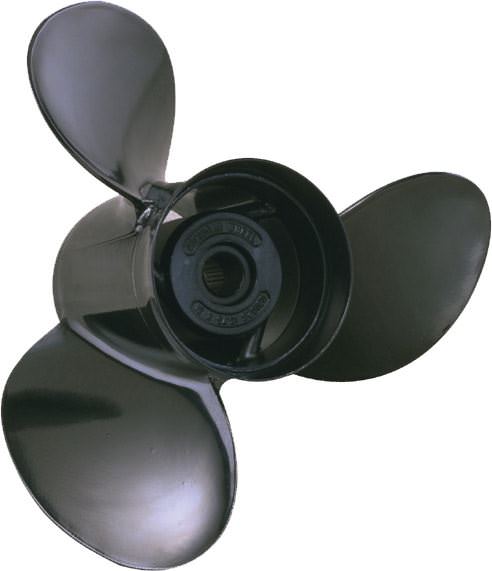
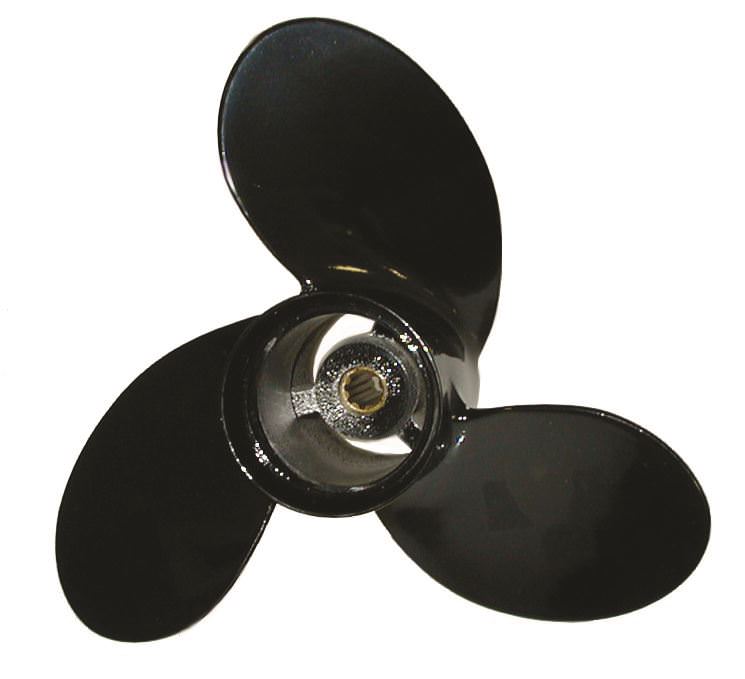
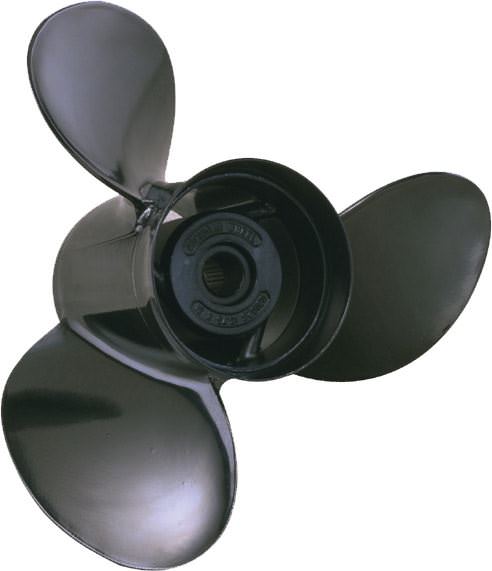
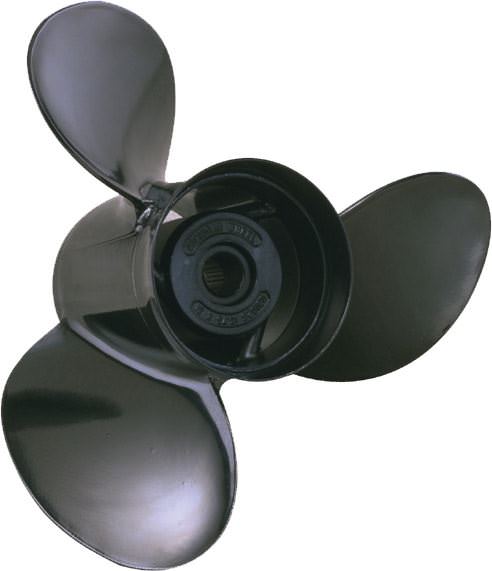
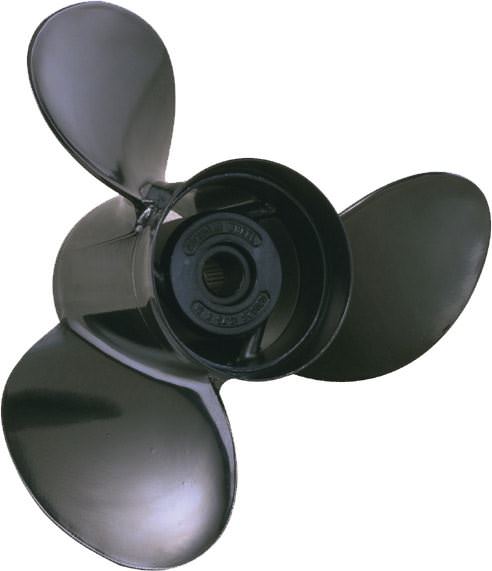
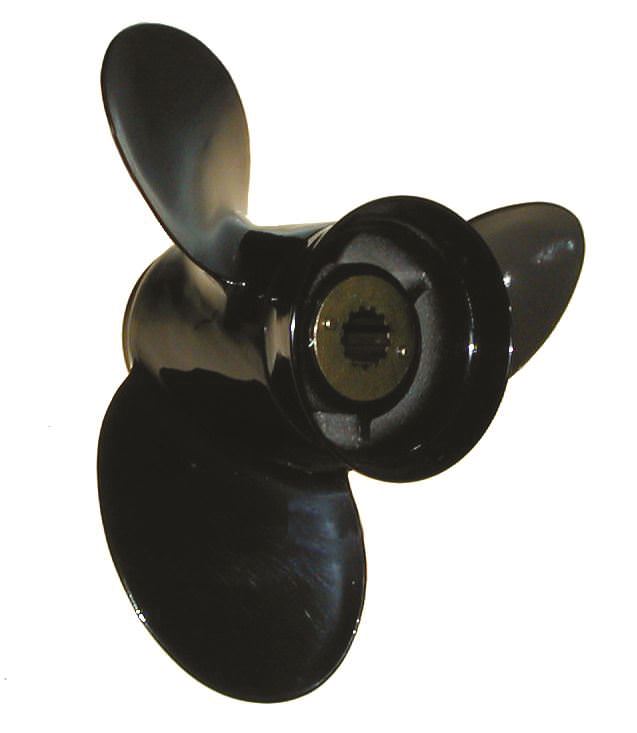
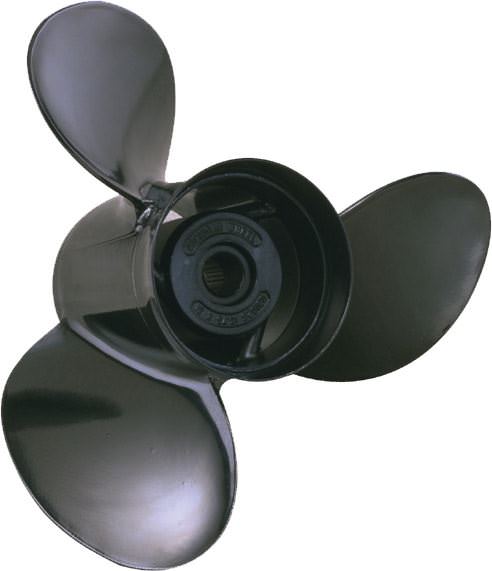
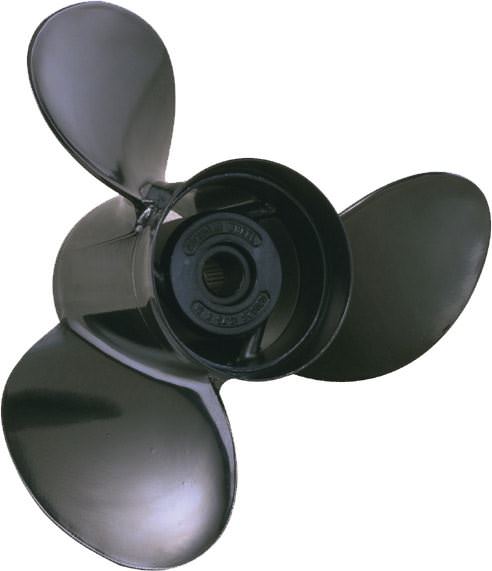
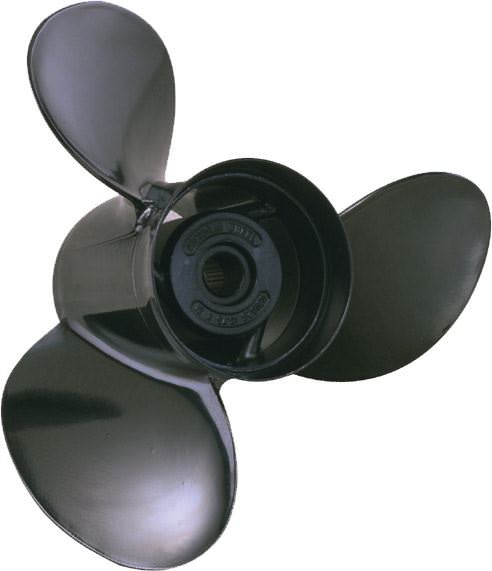
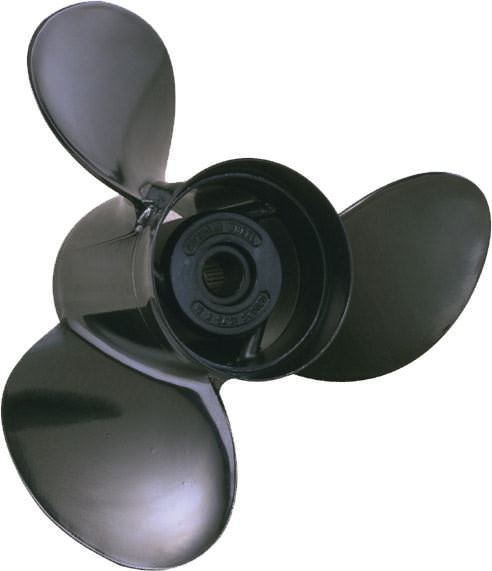
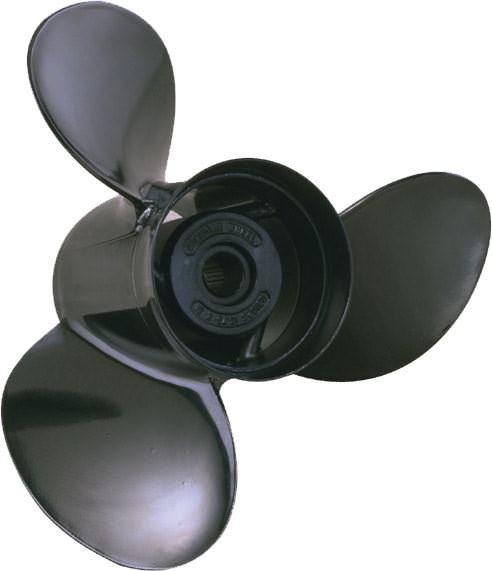
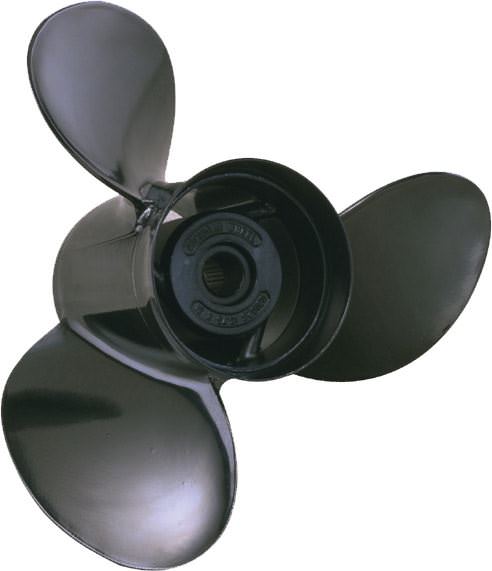
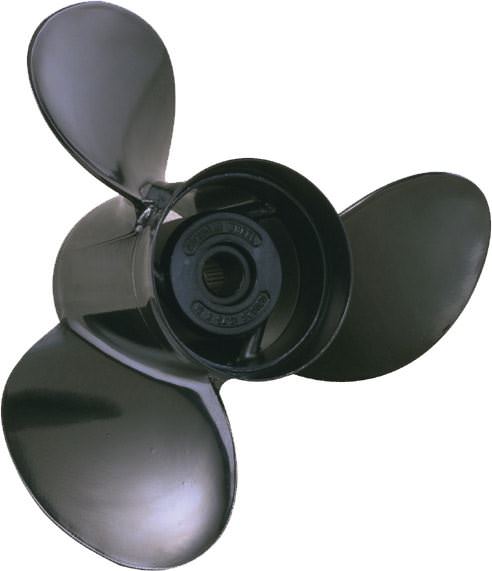
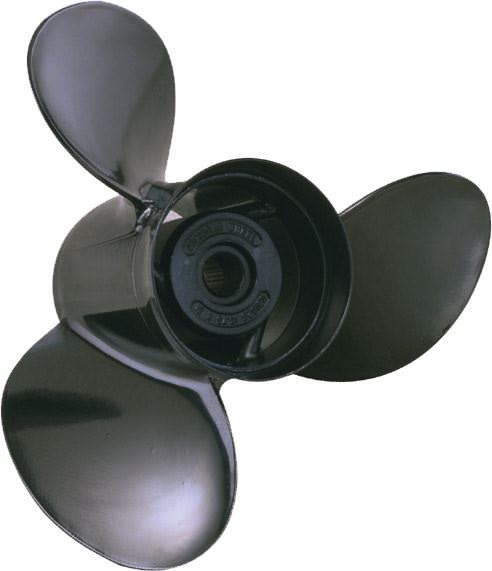
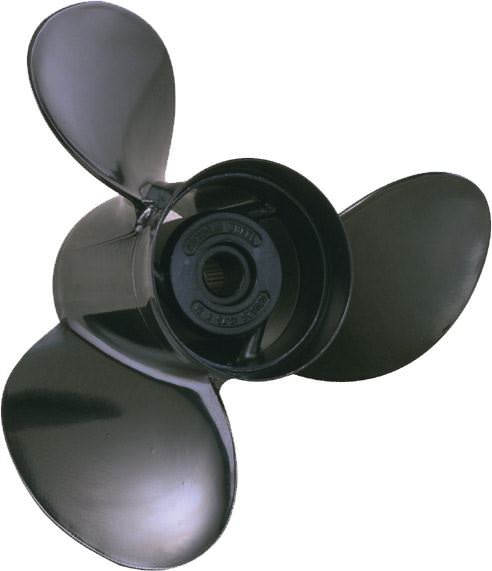
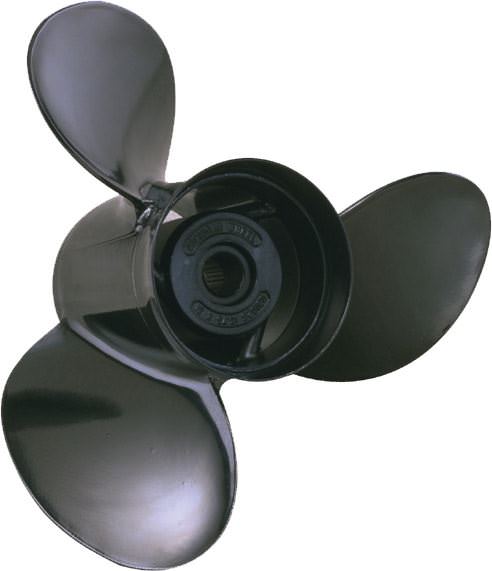
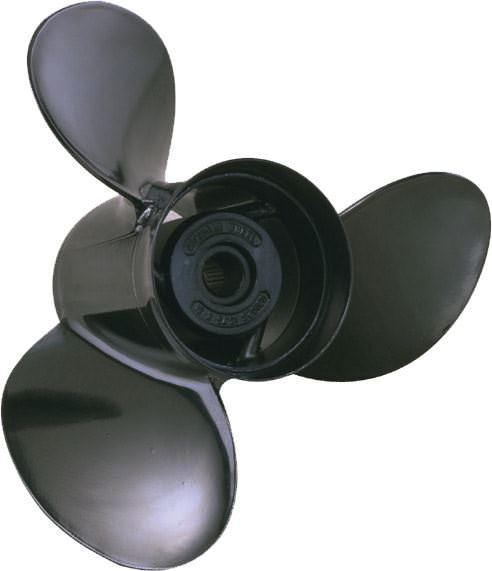
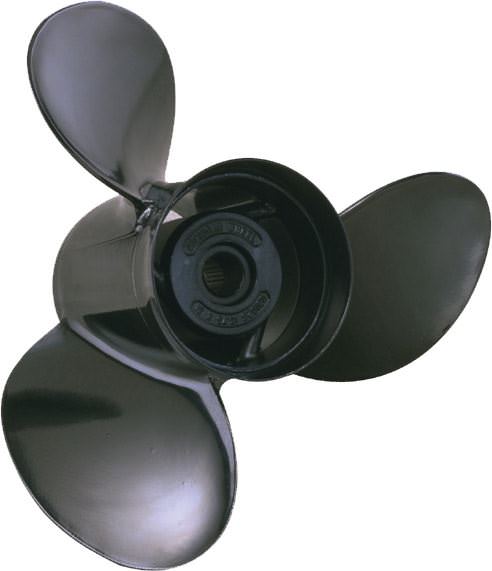
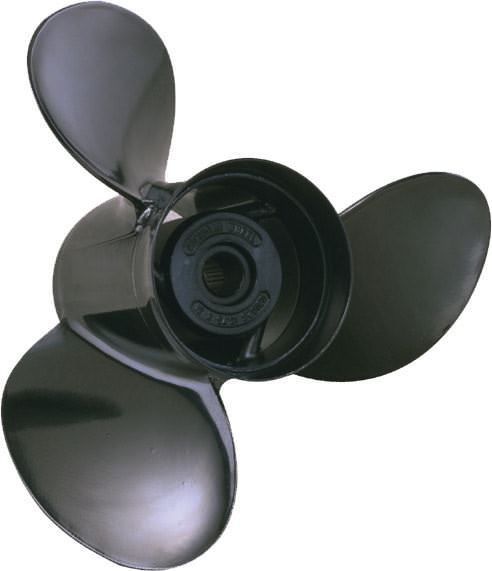
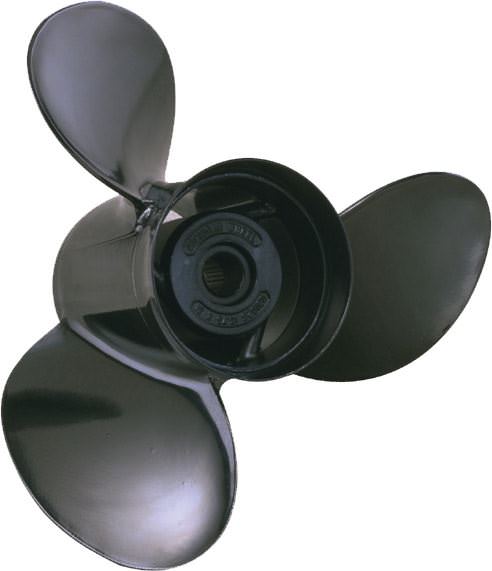
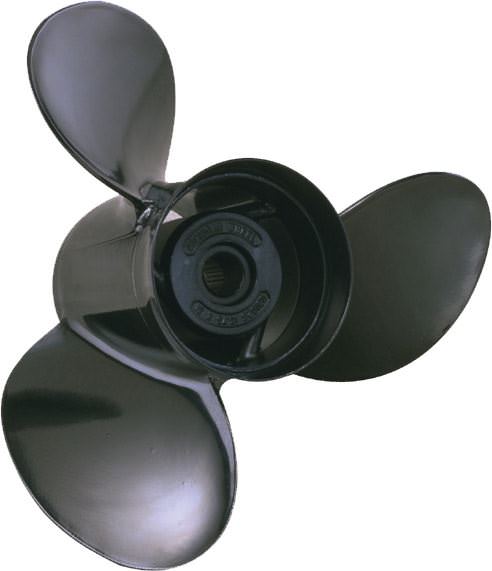
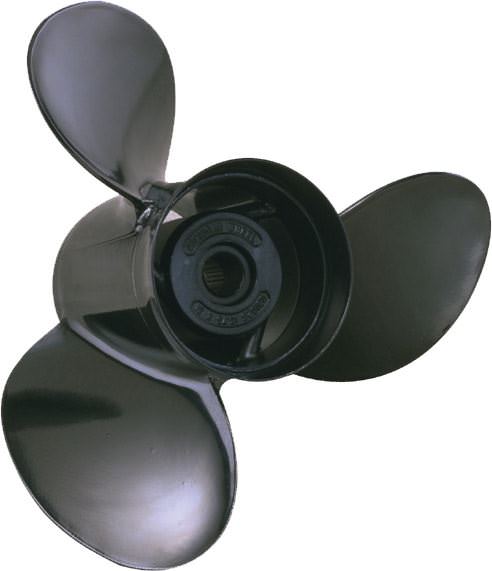
A cursory examination of the Mercury boat propellers available for sale will almost immediately raise the question of blades. Some Mercury props have three blades and some have four. How is a boating enthusiast, particularly a novice one, to know which arrangement is best?
The answer is that either one can be best depending on what the individual boater is trying to achieve with his or her watercraft.
Propellers with Three Blades
These propellers generally allow boats to reach higher top speeds, but they do not offer top acceleration levels. Therefore, it may take a bit longer for a boat to reach its top speed. Because these propellers have only three blades instead of four, they are less expensive to manufacture and can be more easily purchased by boaters on a budget.
On the other hand, propellers with three blades cause larger levels of vibration. The boat may go faster, but the pleasure cruise may be slightly less pleasurable because of vibration levels.
Propellers with Four Blades
An additional blade generally means more raw materials are needed for manufacture, which explains the slightly higher cost of most propellers with four blades. Top cruising speeds will not be quite as fast with these propellers, but acceleration will be better and operation will feel smoother to the boat driver and passengers because of reduced vibration.
This reduction in vibration and increase in acceleration is achieved in four-bladed models because there is more blade area cutting through the water.