The Number One Rule for Propeller Selection
Selecting the correct propeller for your boat is an important issue, but expert boaters know that above every other consideration, they should keep one thing in mind: a propeller is a potential match if it enables an engine to run at full throttle while remaining in the maximum rated range for revolutions per minute, or RPM.
Those considering Suzuki outboard propellers will need to know three pieces of information in order to apply this rule. The first data point is the maximum RPM the system can currently achieve; this figure can be found by looking at the tachometer as the engine is run. The second necessary data point is the maximum range of RPM that the motor can withstand. Consult the owner’s manual for this information. Lastly, before deciding which of the available Suzuki outboard props is right, it is important to know the model and size of the boat’s current propeller.
Some boaters feel that running at full throttle is not a point that matters since their engines are never exposed to this degree of stress. This perspective ignores the way engine manufacturers construct their equipment: They design their engines for optimal longevity and efficiency at the maximum RPM. Boat owners will need to choose from Suzuki outboard propellers that let the engine run at full throttle while in the maximum RPM range because otherwise, the choice of propeller could end up causing damage to the engine.
The Anatomy of a Boat Propeller
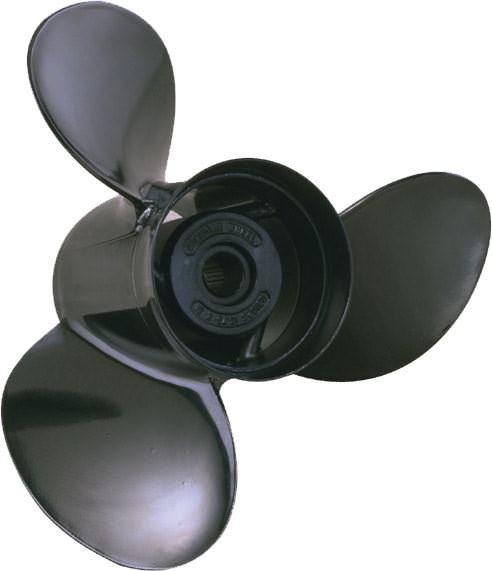
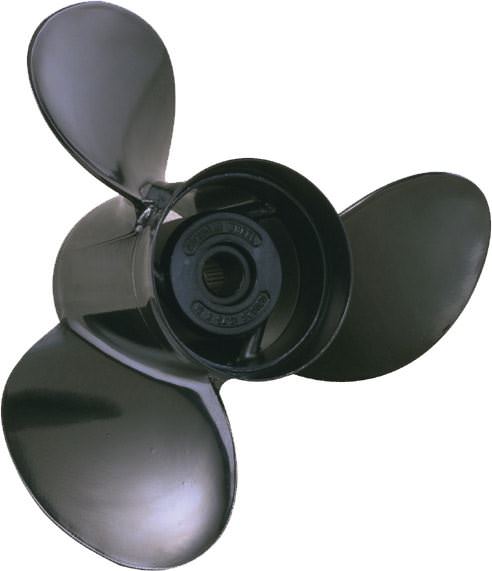
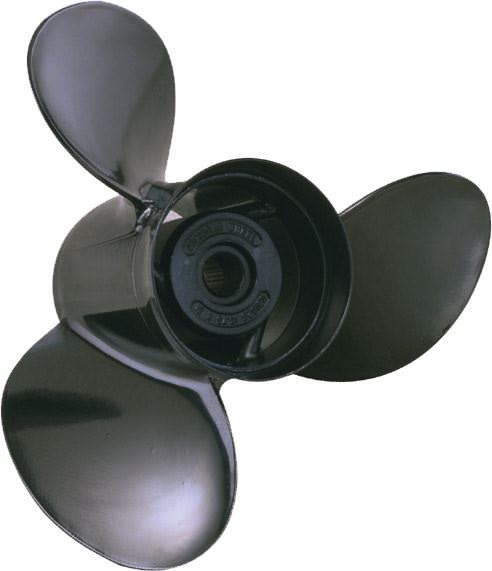
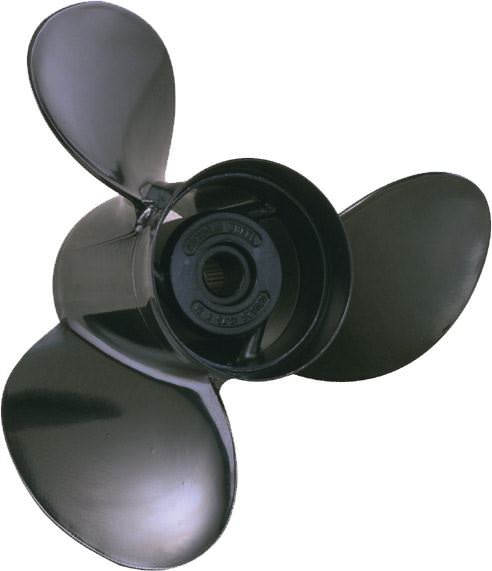
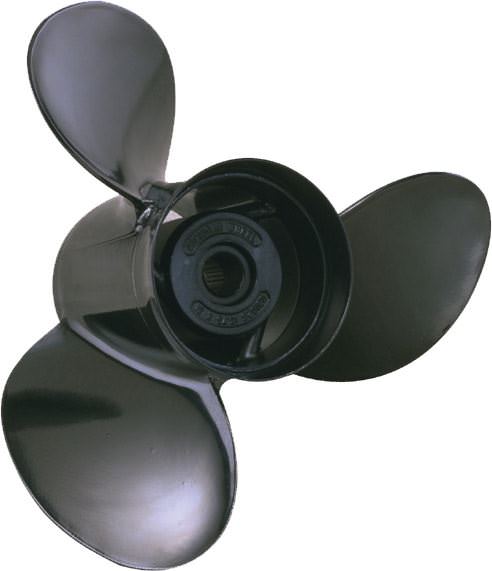
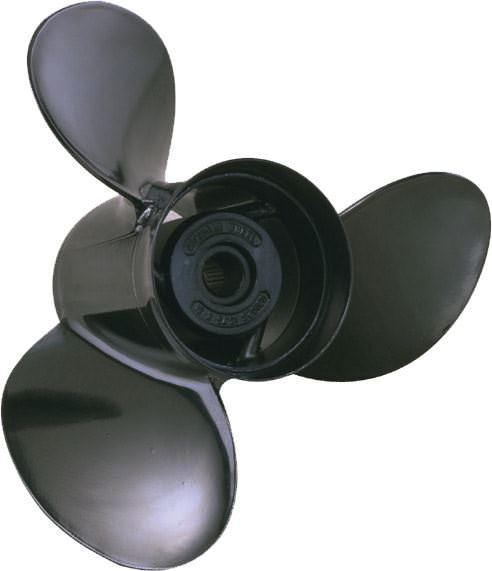
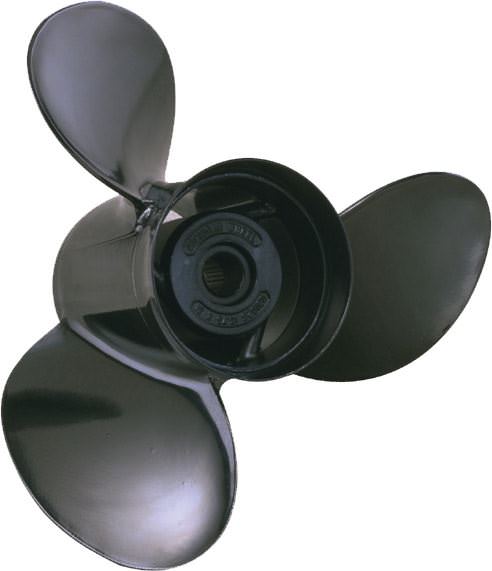
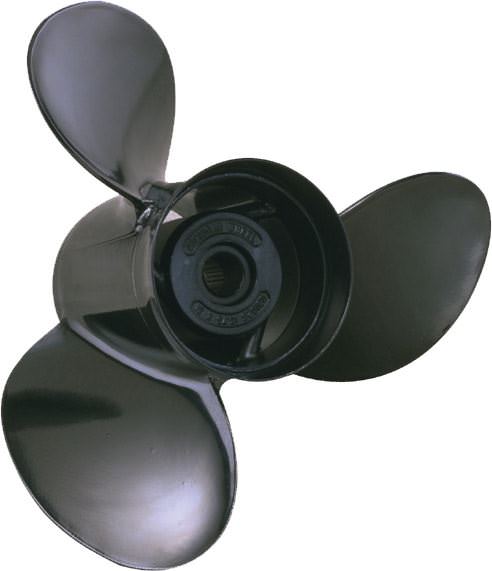
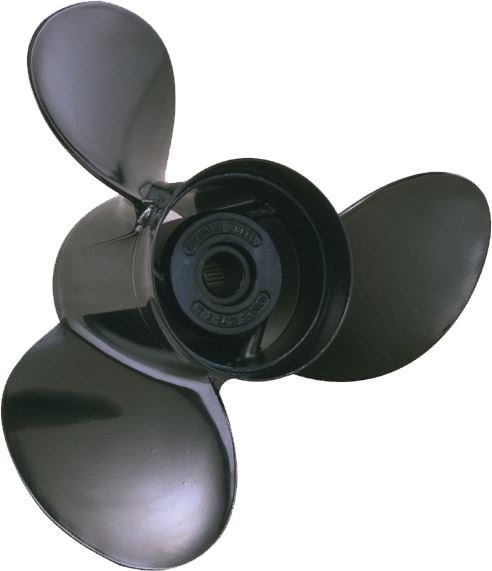
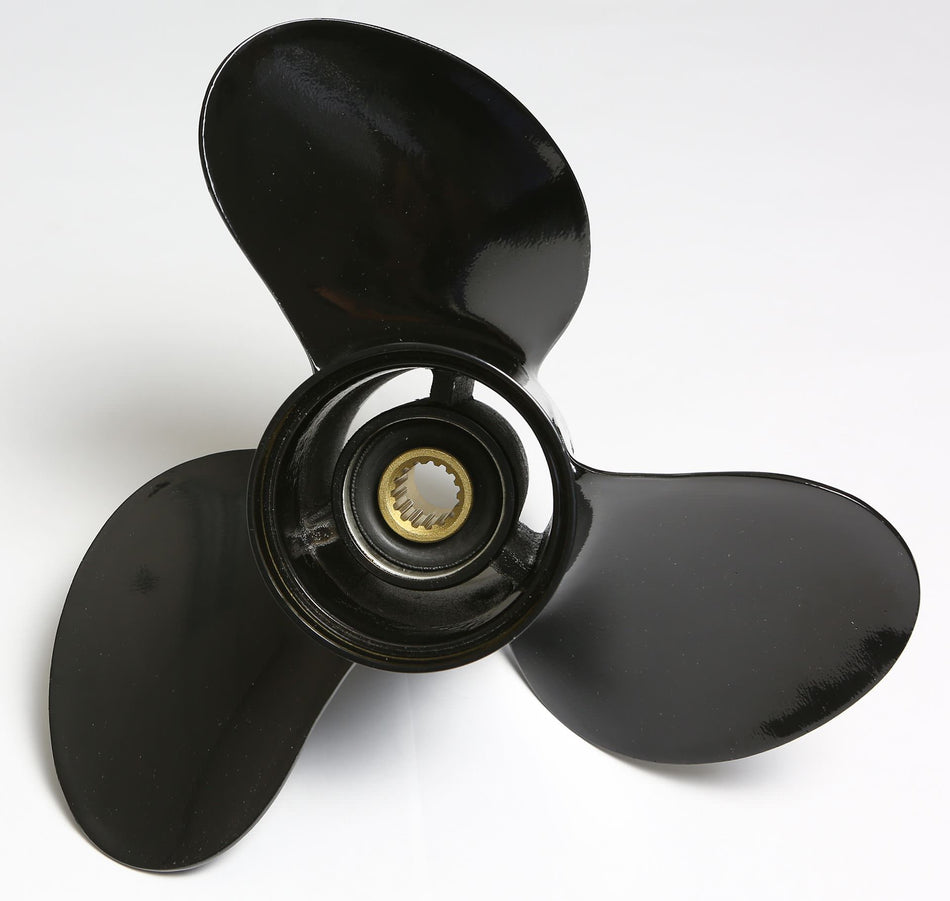
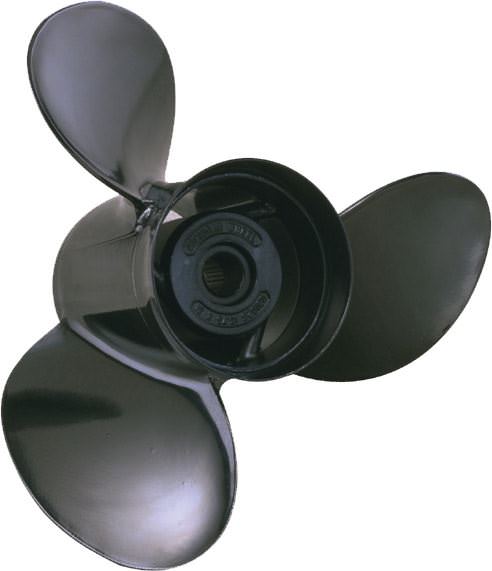
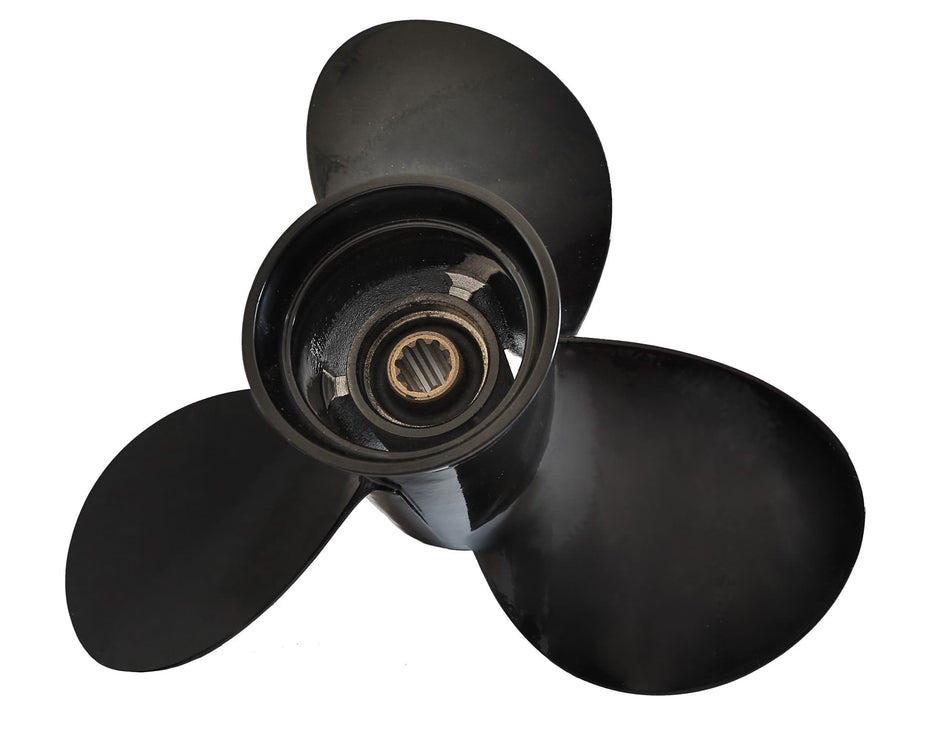
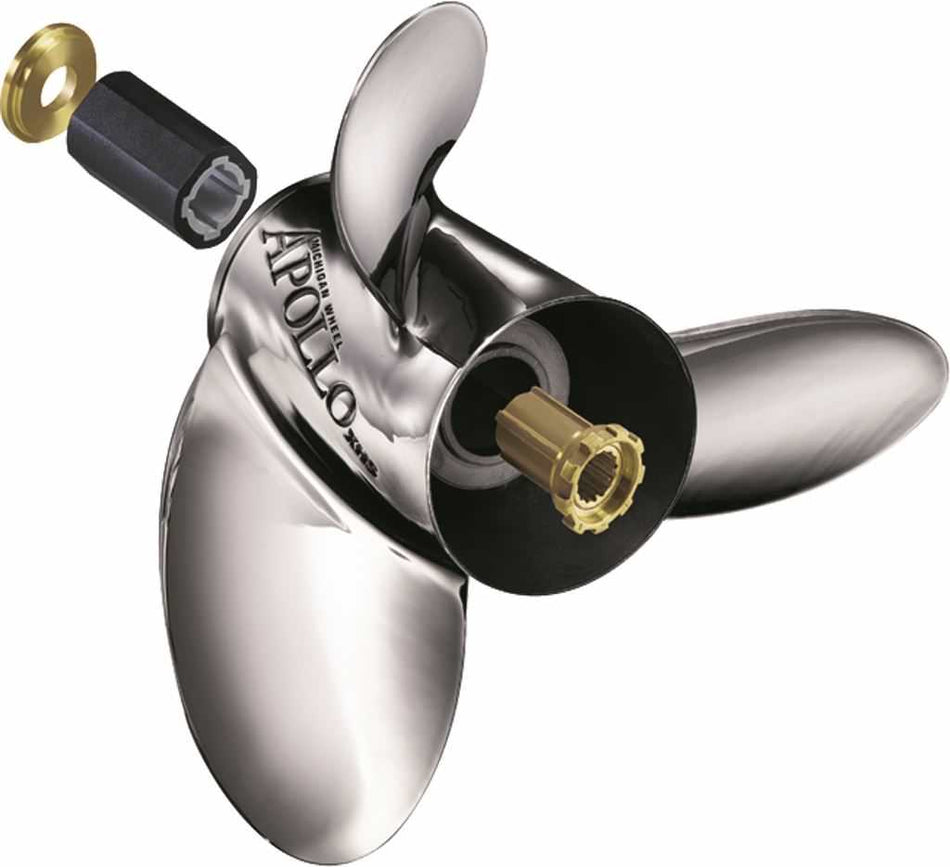
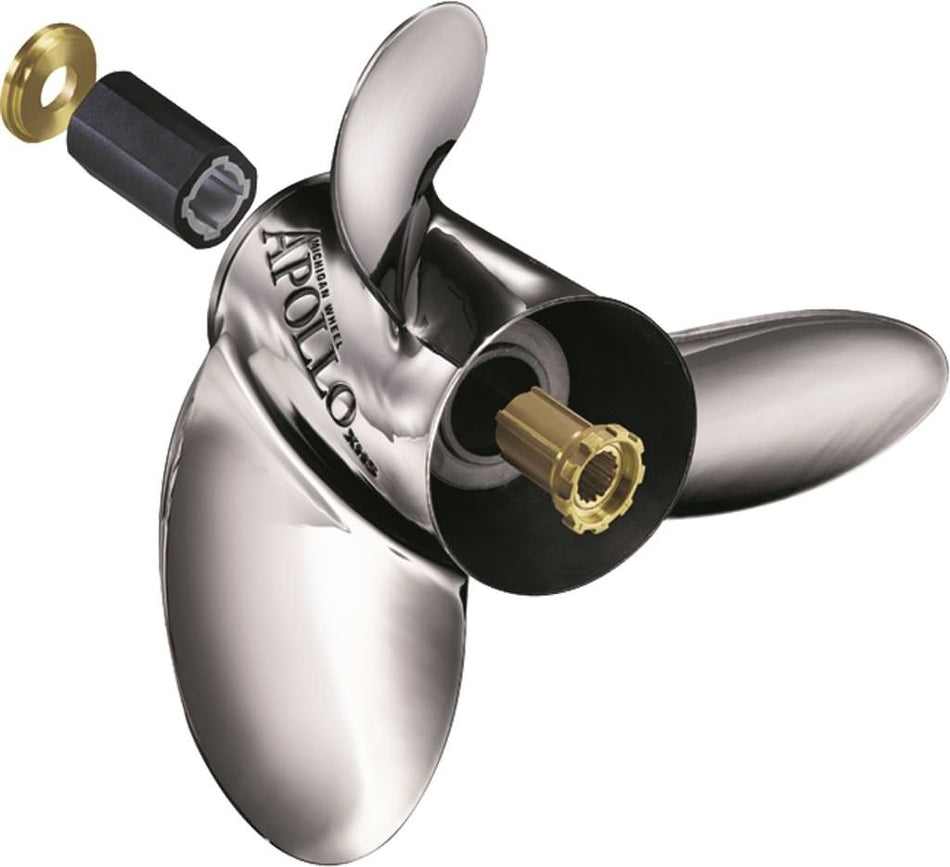
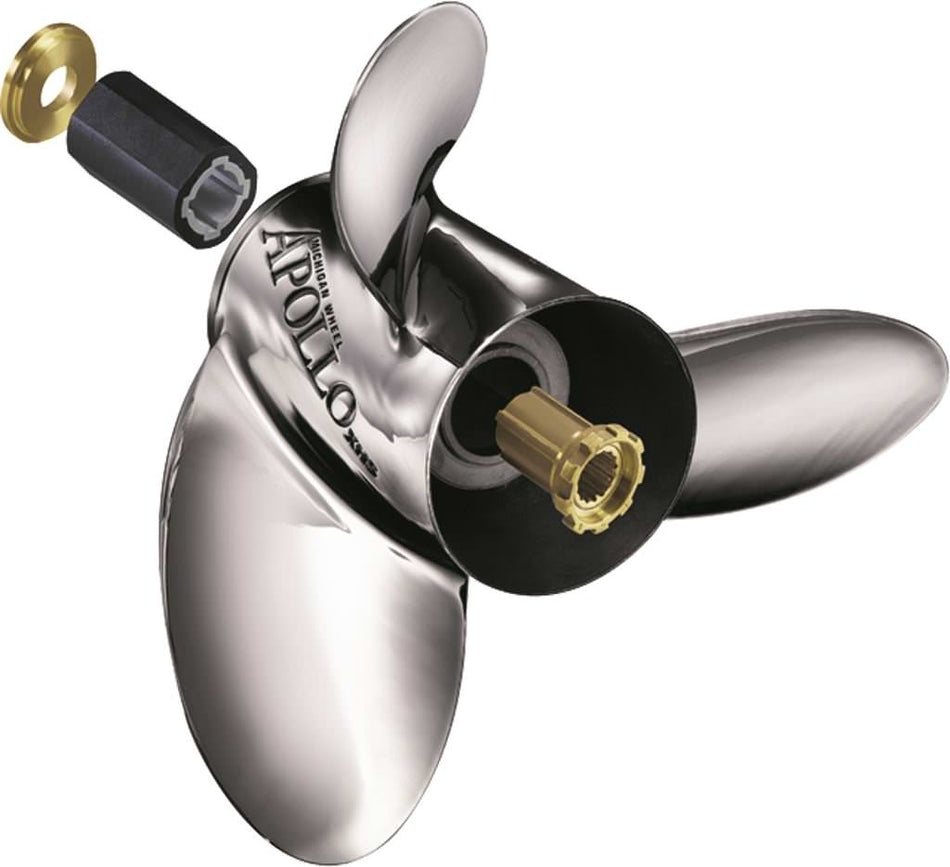
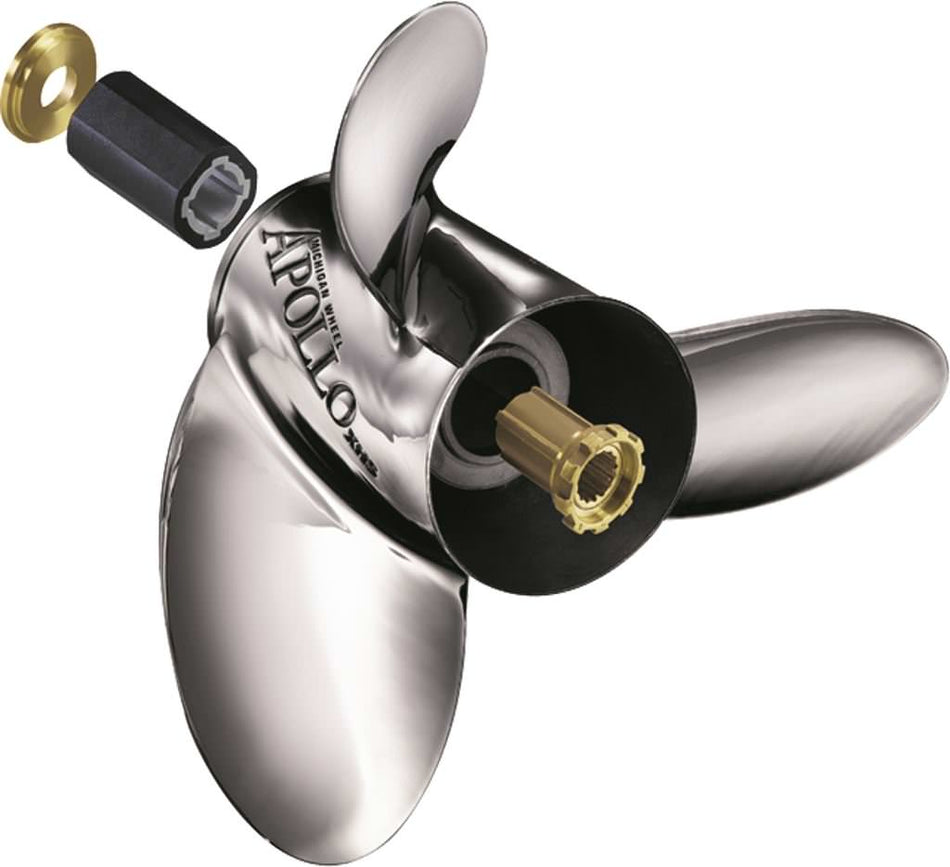
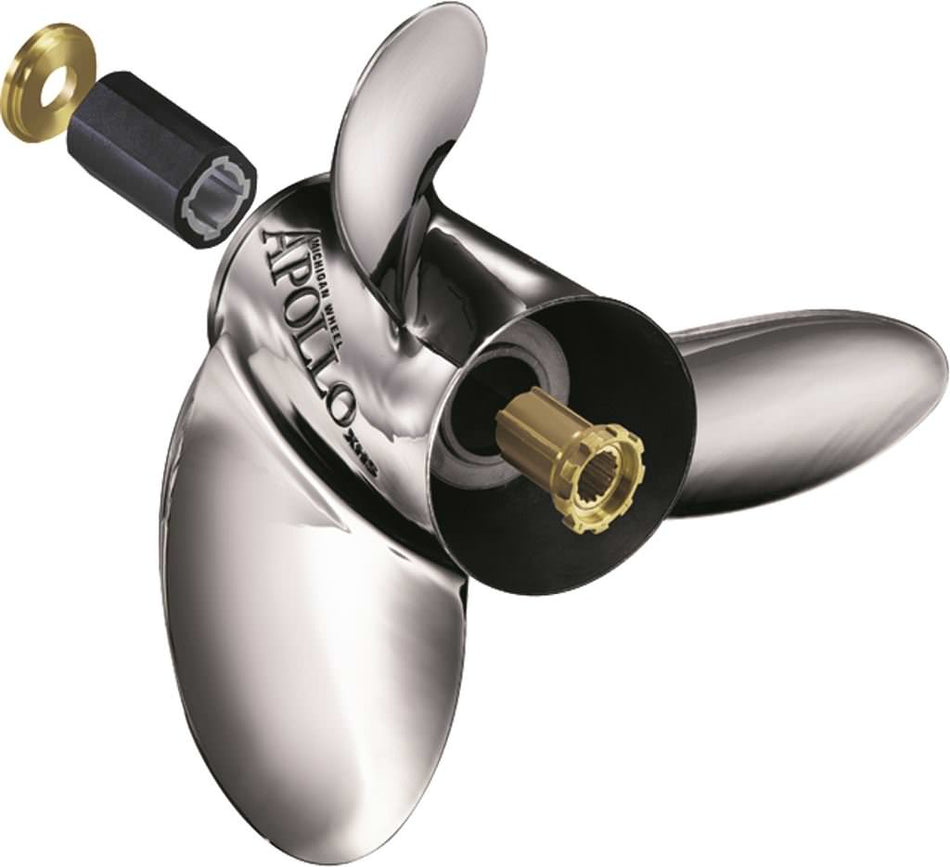
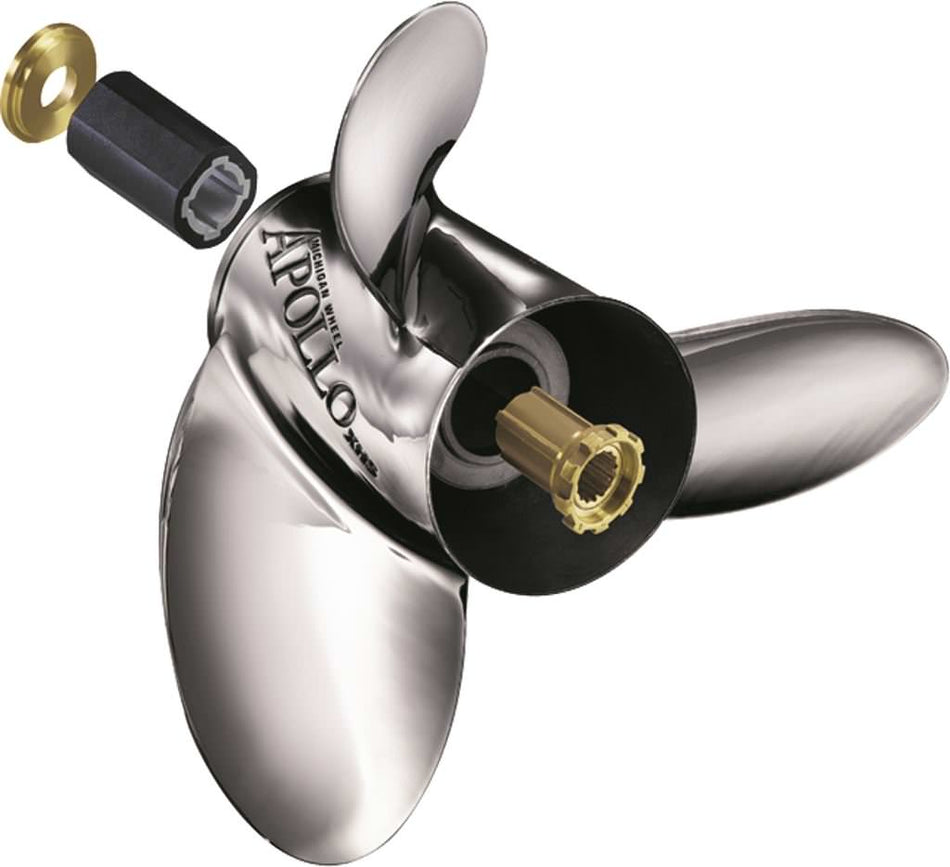
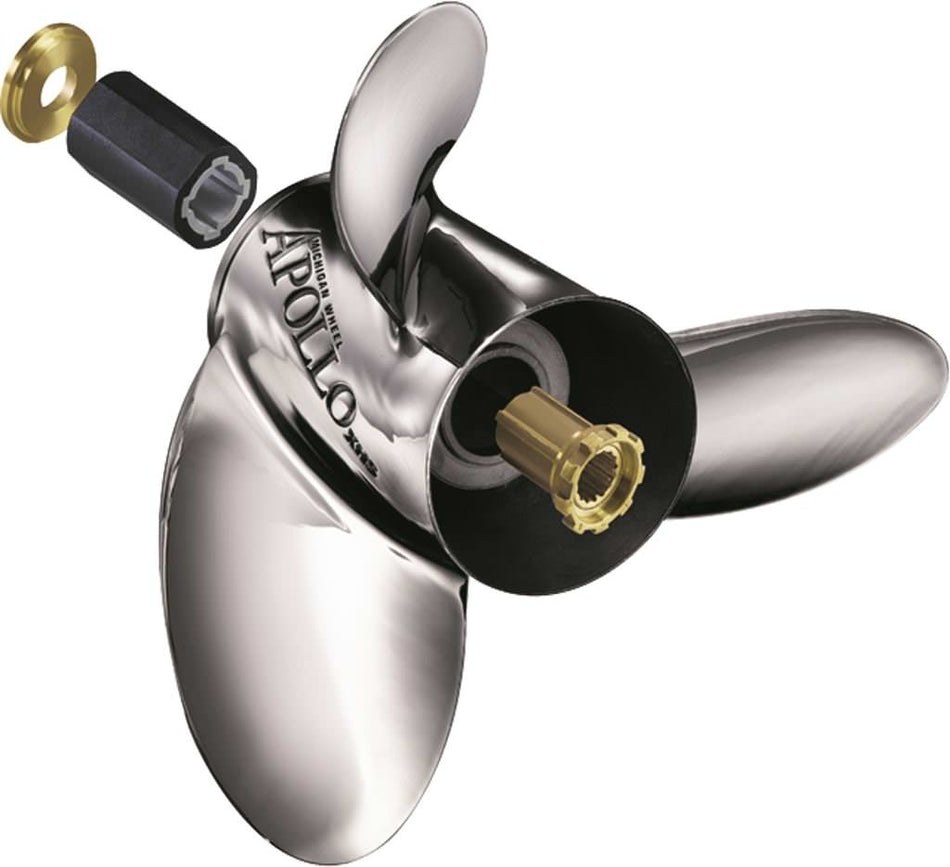
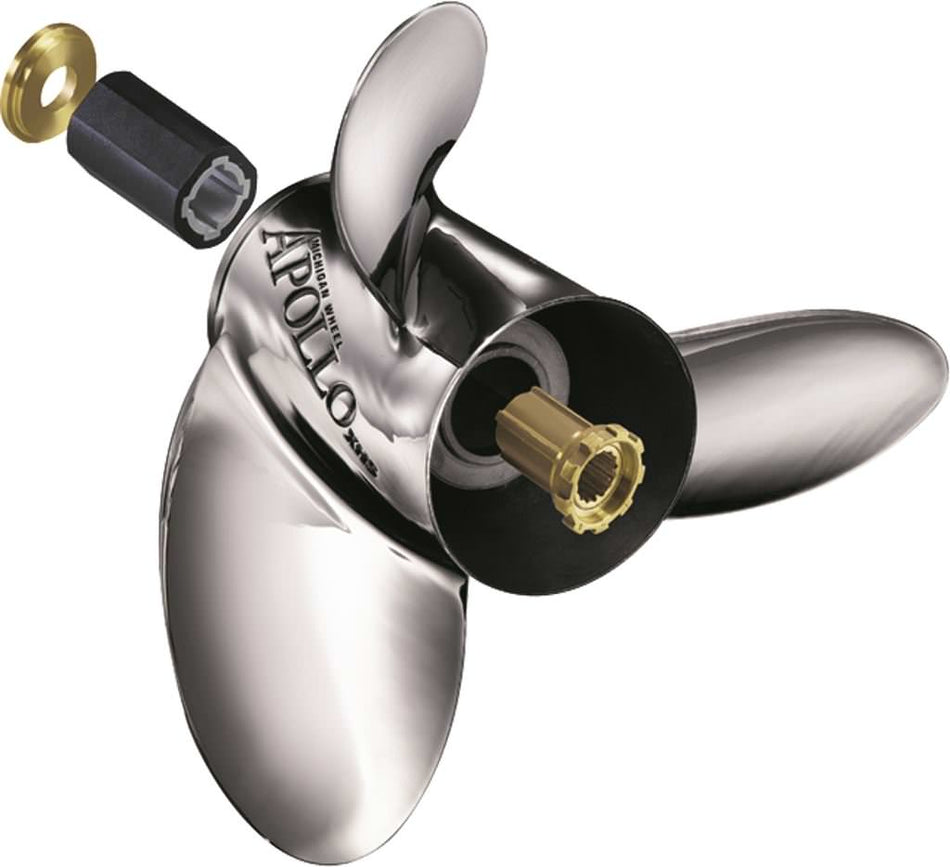
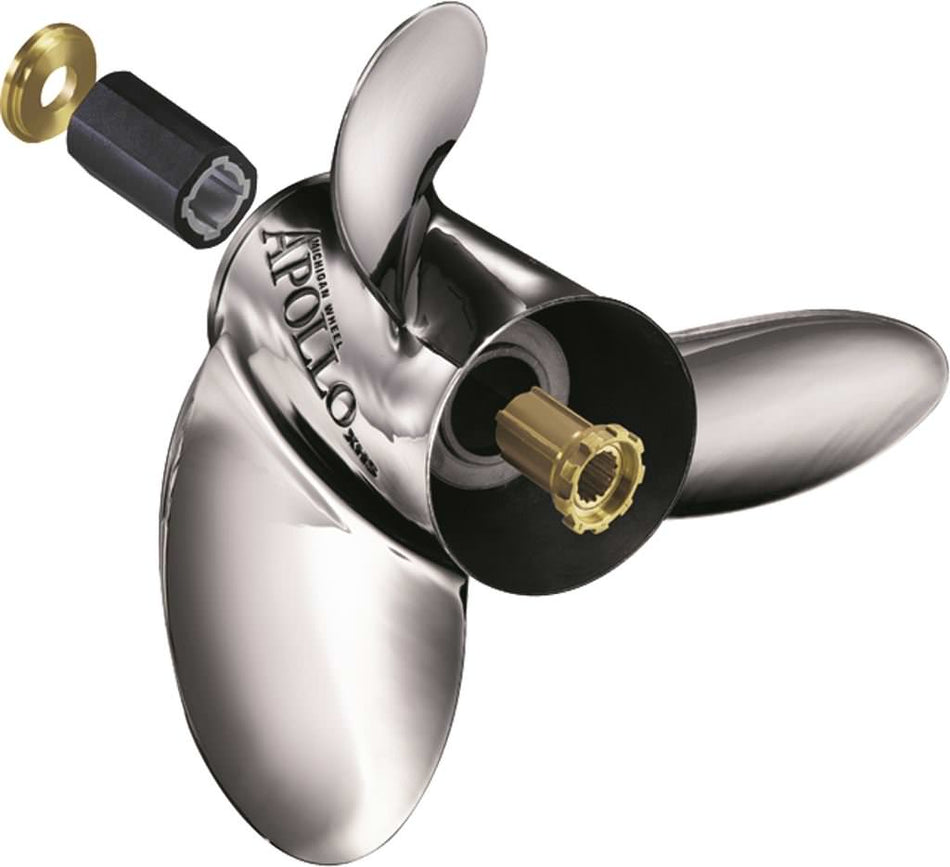
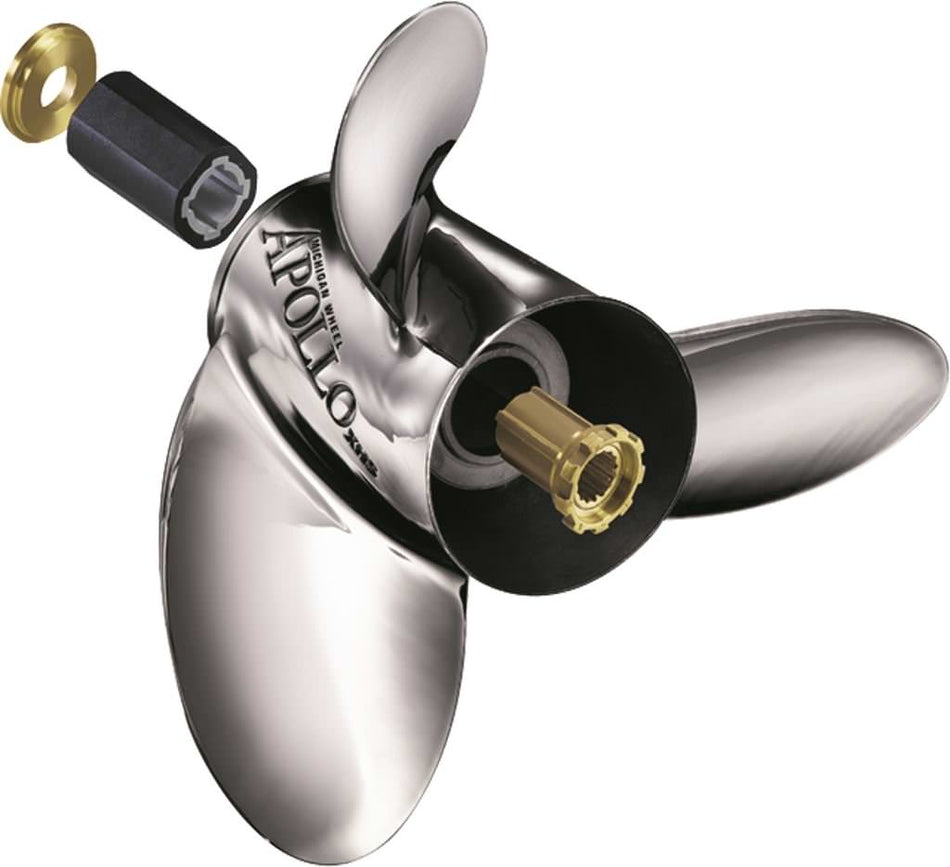
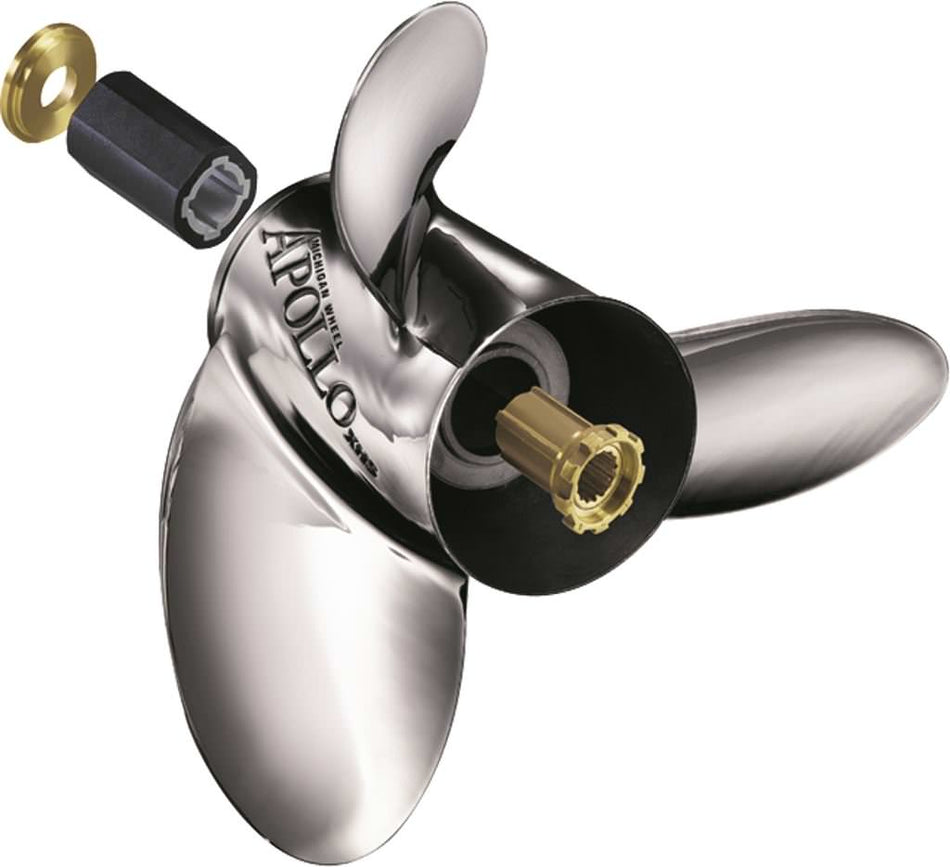
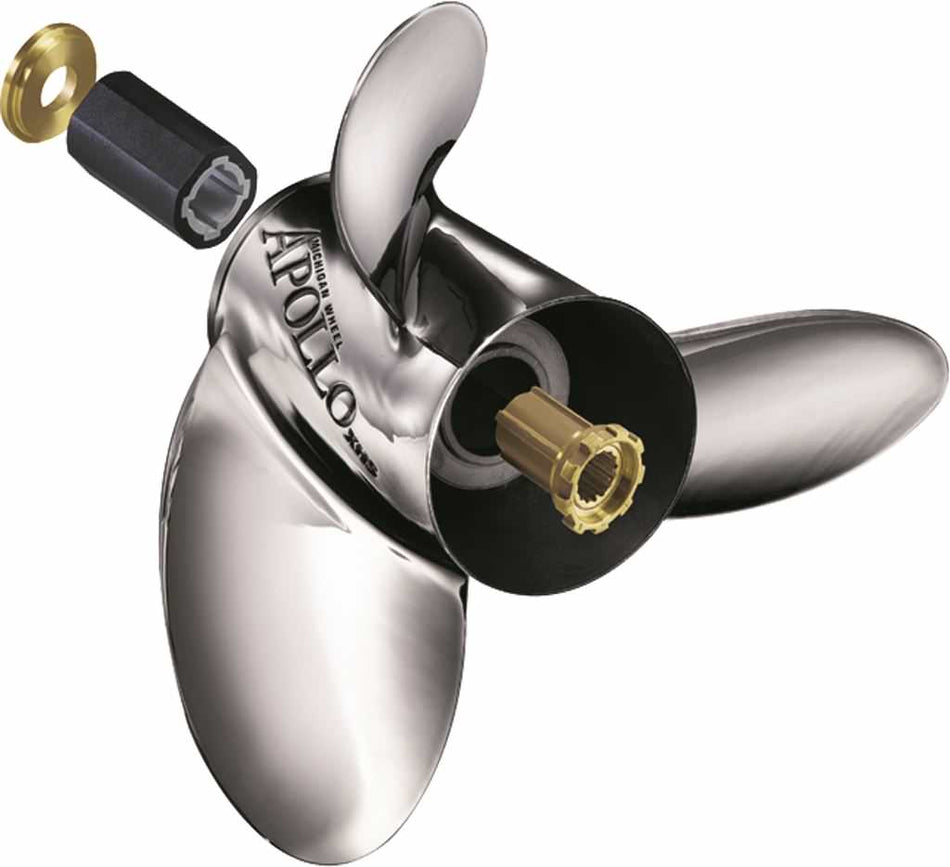
Most non-boaters and perhaps even some beginning boating enthusiasts think of a propeller as simply three or four blades securely attached to a central shaft, but in reality, Suzuki Boat Propellers are highly engineered pieces of equipment that are much more complex than such a cursory analysis would suggest.
Parts of a Blade on Suzuki Props
The blades themselves actually have distinct regions that help the blade perform its overall function of helping to draw water into the propeller system so that it can be ejected in a high-velocity stream of water that will create thrust for the boat. The leading edge of the blade is the part located closest to the boat. This part is the first portion to enter the water and cut through it. The opposite portion of the blade is known as the trailing edge, located farthest away from the watercraft. This edge pushes water away from the boat.
The area on Suzuki propellers that divides the trailing edge from the leading edge is known as the blade tip. The blade tip can also be described as the blade’s maximum “reach,” extending outward from the hub, which is the term for the center of the propeller. The blade root is the place where each blade is affixed to this central hub.
Since propeller blades are curved, they have a “front” and “back” side. The front is also known as the blade face and is the side of the blade facing away from the watercraft. The other side, which faces the boat itself, is called the blade back.